What changed
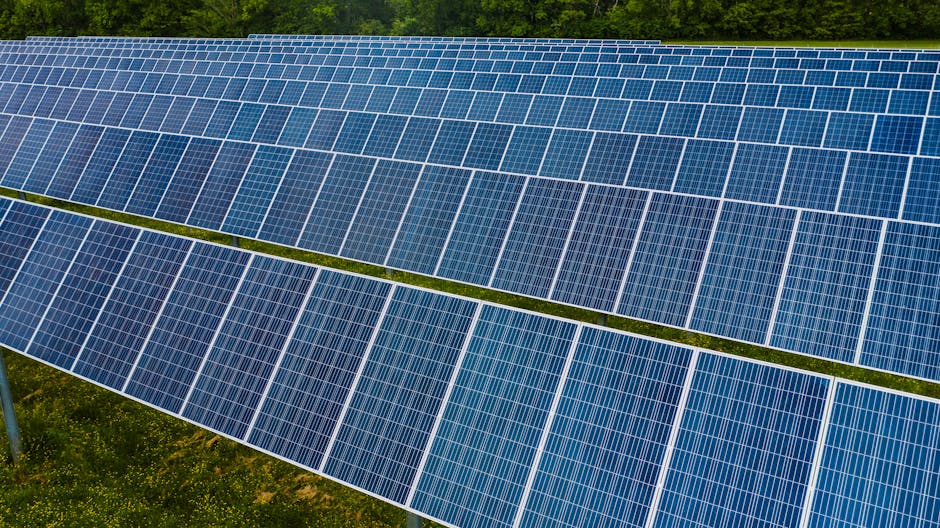
Ghana’s North-East Regional Coordinating Council is promoting solar-powered water systems alongside dry-season farming to help communities adapt as rivers dry up and traditional irrigation sources become less reliable.
The plan uses solar energy to extract groundwater for households, public institutions and year-round farming. The number of systems, their locations, funding and completion timetable have not been specified.
Why it matters
This is a practical shift in how the region treats water stress. Instead of relying mainly on rivers and other increasingly unreliable sources, communities would use solar power to keep groundwater systems running.
That could make dry-season farming more viable and improve water access beyond the rainy season. But the idea’s value will depend on whether the systems move from regional policy to functioning pumps in specific communities. Until those details emerge, this is a regional adaptation push with a clear purpose but no confirmed delivery scale.
Comments
No comments yet.