What changed
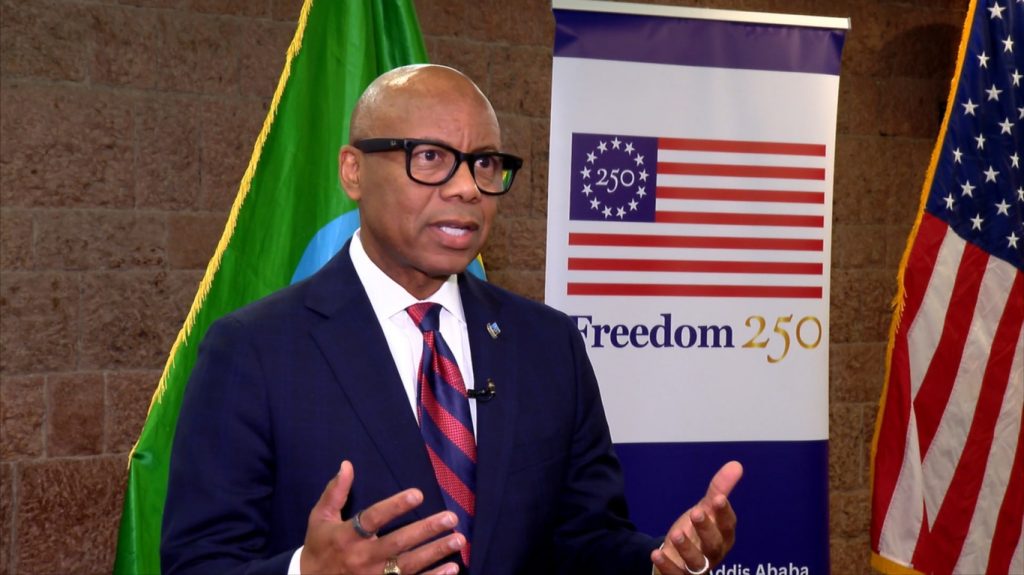
Ethiopia’s plan to open its banking sector to foreign investment took center stage at a financial-sector engagement in Addis Ababa on November 11, 2026. Kenneth Kelly, chairman of the American Bankers Association and chairman and CEO of First Independence Bank, described opportunities for U.S. and other international financial institutions, while participants examined digital payments, fintech partnerships, financial inclusion and artificial intelligence.
Why it matters
The opening could bring new capital and competition into Ethiopia’s financial system, but the immediate development is a conversation about how that system should be built. U.S. Embassy Public Diplomacy Officer Jonathan Koehler pointed to regulatory reform, digital financial services, fintech companies and microfinance institutions as forces already reshaping access to finance.
Kelly put small businesses at the center of the opportunity. His argument was straightforward: lending designed for smaller enterprises can help them expand and, in turn, widen economic activity. He cited specialized lending, microfinance and small-business financing programs in the United States as possible sources of useful experience.
The practical test is whether Ethiopia can put the foundations in place to turn investor interest into functioning services. That means connecting foreign-bank participation with local fintech, microfinance and telecommunications operators rather than treating liberalization as a banking-only project. If those pieces align, the result could be a more varied route to capital for businesses and households.
Comments
No comments yet.