What changed
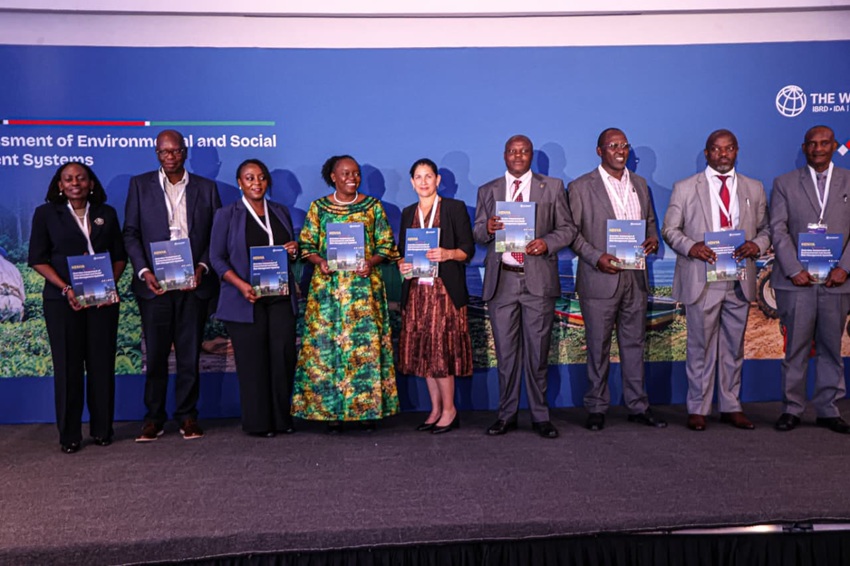
Kenya and the World Bank Group launched an assessment of the country’s environmental and social risk-management systems in Nairobi on November 14, 2026. The review found implementation and institutional-capacity gaps across labour, pollution, community health and safety, land acquisition, biodiversity, cultural heritage, stakeholder engagement and livelihood restoration.
Why it matters
Kenya already has environmental laws and institutions, including the National Environment Management Authority, but rules on paper do not automatically protect people living alongside development projects. The sharpest issue is livelihood restoration: compensation after land acquisition may not be enough if affected households still cannot rebuild their incomes.
The assessment also points to a practical shift. Government bodies and development partners are expected to identify reforms, assign responsibility and strengthen capacity progressively, including better environmental assessments that account for social as well as ecological effects.
The outlook depends on whether those reforms receive funding and a clear implementation timetable. Until then, Kenya has a framework for managing development risks, but not yet consistent assurance that the framework will work where projects affect communities and ecosystems.
Comments
No comments yet.