What changed
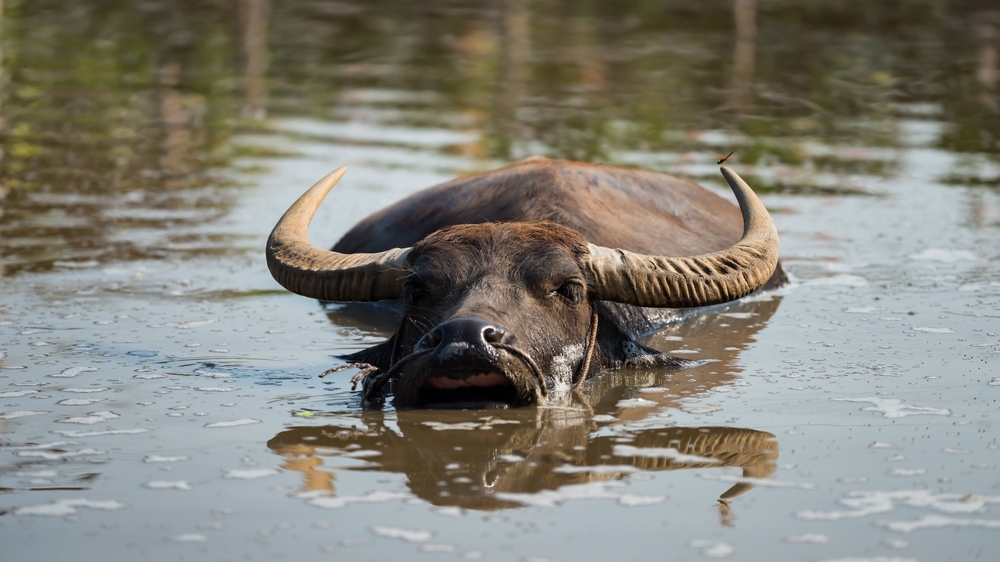
Kenya has opened the door to a new livestock industry. Gazette Notice No. 977, dated 31 January 2025, recognized domesticated water buffalo as food animals under the Meat Control Act, and President William Ruto has since backed sourcing improved buffaloes and camels to expand milk production.
The proposed model is bigger than selling milk:
- Buffalo milk for yoghurt, ghee, paneer and mozzarella
- Meat for sausages, burgers and ready-to-cook cuts
- Hides for tanneries
- Manure for biogas and organic fertilizer
This is the domesticated water buffalo, not Africa’s wild buffalo. Keeping that distinction clear will be essential.
Why it matters
Kenya already produces roughly 5.4 billion litres of milk a year. Buffaloes would not replace dairy cows. They would add a second source of milk with higher solids: river buffalo milk is described as carrying about twice the fat of cow’s milk, making it useful for butter, ghee and cheese.
That difference could help farmers and processors move beyond raw milk. The real opportunity is the ladder around it: cooling, processing, packaging, transport, retail, meat, leather and manure. A smallholder herd could support more than a farmer and a milk buyer. It could support cheesemakers, butchers, tanners and transporters.
The idea also fits Kenya’s Bottom-Up Economic Transformation Agenda, particularly its focus on agriculture, small businesses, women and youth enterprises. Digital tools could add traceability, mobile payments and animal-health records.
But this is still a proposal, not a proven market. The sensible path is cautious: begin with semen and embryos, bring in quarantined breeding stock under veterinary controls, and test pilot hubs with a few hundred animals in suitable counties. The hard questions are practical ones: disease risks including anthrax, bovine tuberculosis and foot-and-mouth disease; import costs; yields; and whether farmers and processors can build a safe, reliable market.
The promise is not simply a different animal in the field. It is whether Kenya can turn that animal into a complete value chain without outrunning its veterinary and commercial systems.
Comments
No comments yet.