What changed
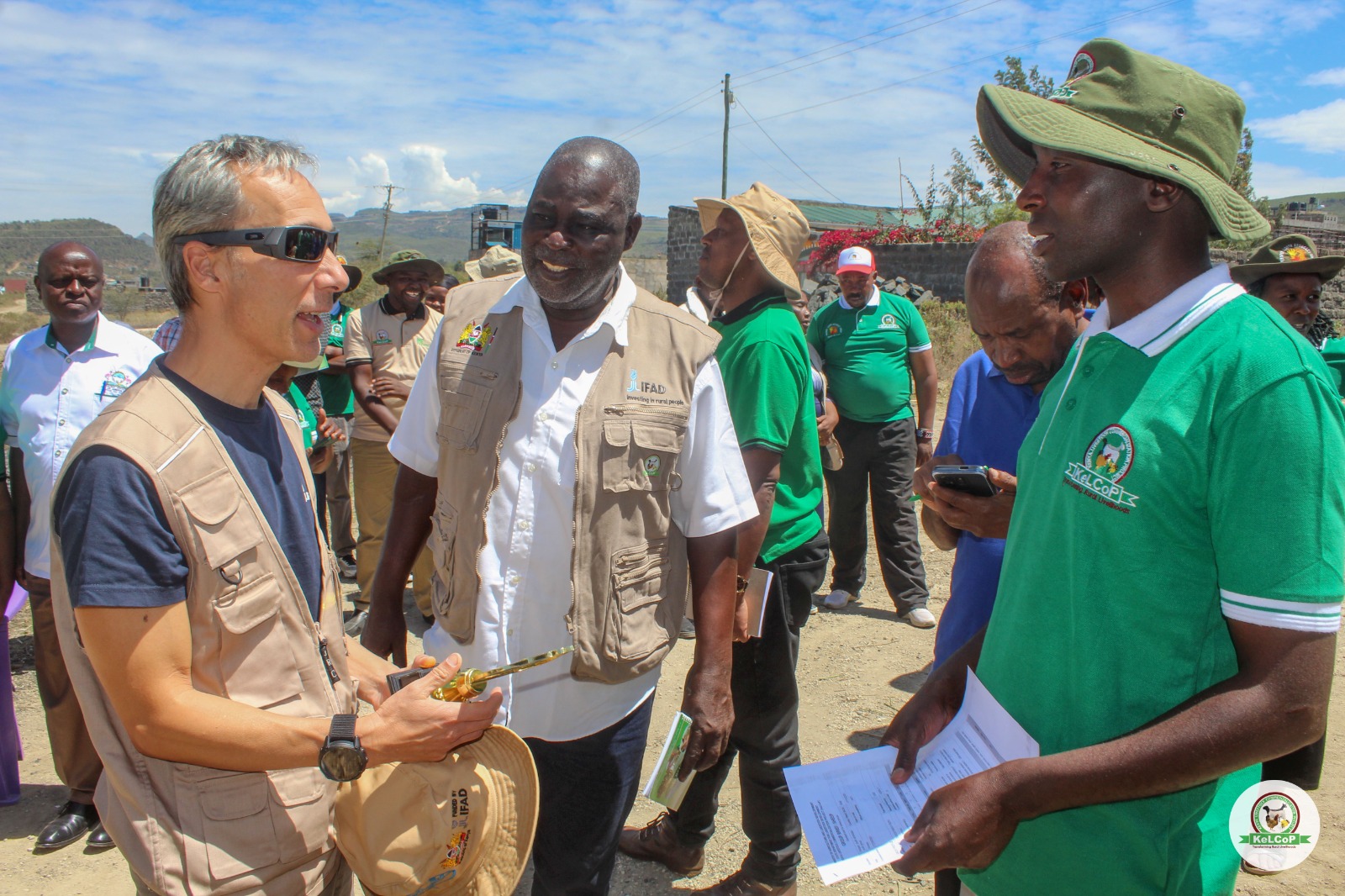
Kenya’s Livestock Commercialization Project is set to receive an additional Ksh 7.1 billion and a four-year extension. The Kenya government and the International Fund for Agricultural Development plan to expand work on improved breeds, climate-smart production, youth agribusiness and market access beyond the project’s current 10 counties.
Why it matters
The first phase reached 83,000 households with improved livestock production, water infrastructure and market access. The next phase is meant to turn that reach into more durable businesses for smallholder farmers and pastoralist households.
That means practical infrastructure will remain central. Boreholes and water pans have reduced the time communities spend looking for water, while also supporting animal health, vegetable farming, fodder production and beekeeping.
The project is also building the machinery around livestock sales: markets, slaughterhouses, hay stores and value-addition facilities. Those investments are intended to improve trading procedures, strengthen disease control and address livestock theft. Several slaughterhouses are already operating or nearing handover to local cooperatives and management committees.
Beekeeping shows how wide the project’s commercial focus has become. Support with beehives, harvesting kits and processing equipment has helped beneficiary groups increase production and improve the value of their honey.
The informed outlook is positive but practical: the extra money matters only if the four-year extension converts existing facilities and training into reliable income. The final financing agreement, disbursement schedule, expanded county list and implementation milestones have not yet been specified.
Comments
No comments yet.