What changed
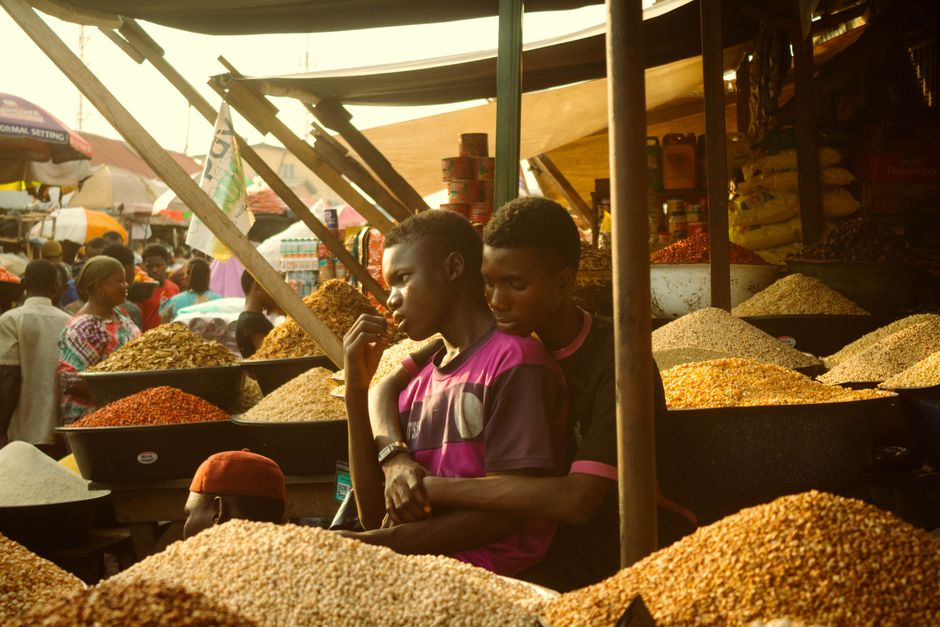
Mwanza Regional Commissioner CP Salum Hamduni has directed local government leaders and Mwanza City Council to make trading easier by prioritising markets, trading areas, roads, water, sanitation and other essential services in council plans. He also called for faster land-dispute handling, stronger revenue collection and accountability in public spending.
Nyamagana District reported collecting 110,617 tonnes of solid waste (85% of its 129,948-tonne target) and completing 143 sewage-treatment trips involving about 1,098,500 litres.
Why it matters
This puts traders’ daily operating conditions inside the council’s development agenda. If the directive becomes funded work, better-serviced trading areas could mean fewer problems with access, water, sanitation and commercial land, while giving the council a clearer basis for collecting taxes and levies.
The trade-off is immediate: enforcement and revenue demands may rise before infrastructure improves. The informed outlook is gradual progress at selected sites rather than a rapid transformation across Mwanza, with results depending on funding, site allocation and whether land complaints are resolved transparently.
Nyamagana’s waste and sewage work gives the policy a practical test. Continued collection and treatment at markets, hospitals, schools, slaughterhouses and the Nyabulogoya Bus Stand could ease environmental pressures for nearby residents and keep sanitation operators active, but service gains will depend on operational capacity and funding.
What to watch next
- Whether Mwanza City Council’s next plan or budget names trader-focused projects, locations and funding.
- Whether Nyamagana maintains or expands its reported waste-collection and sewage-treatment activity.
- Whether authorities report specific commercial land disputes resolved after hearing affected parties and applying established boundaries and procedures.
Comments
No comments yet.