What changed
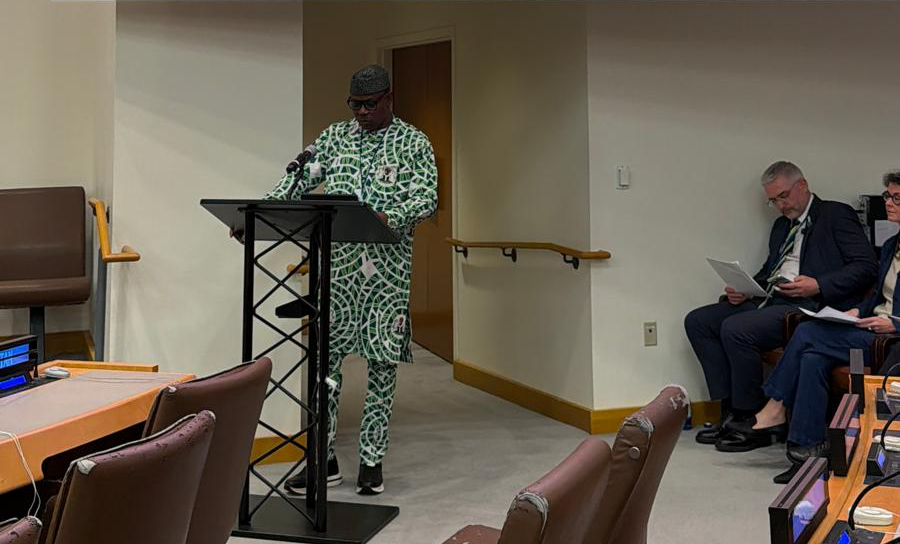
Nigeria has formally demanded that the international community make pandemic preparedness financing accessible to low- and middle-income countries. The country is urging for equitable access to vaccines, diagnostics, and therapeutics at a United Nations meeting. This demand specifically targets the budgetary gaps faced by African nations in maintaining health security.
Why it matters
This is not just a diplomatic talking point; it is a direct challenge to how global health funds are currently distributed. For African low- and middle-income countries, the immediate consequence is the risk of continued budgetary gaps in pandemic preparedness if financing structures remain inaccessible. Nigeria is positioning itself as a lead voice in demanding that the international system stop treating these markets as secondary priorities. The underlying issue is that without accessible capital, these nations cannot build the infrastructure needed to respond to future health crises. The demand covers more than just vaccines; it includes the broader toolkit of diagnostics and therapeutics, signaling a comprehensive approach to health sovereignty.
If donor nations prioritize domestic healthcare over international aid, the expansion of financial inclusion for African economies may stall. Conversely, if major financial institutions announce new sovereign bond facilities for health infrastructure, we could see rapid adoption of debt restructuring frameworks linked to pandemic funding within the next year. The most likely path remains an incremental expansion of international development finance associations to include more African members over the next 24 months, driven by a desire for diplomatic stability. However, if high-income countries maintain their current stockpiling and production monopolies, we face the downside scenario of fragmented vaccine supply chains and persistent shortages in West Africa during the next flu season.
What to watch next
The inclusion of "African health financing" in the final text of the upcoming UN General Assembly resolution is the primary indicator of progress. If the resolution is adopted without any mention of pandemic financing reform for low- and middle-income countries, the demand has likely been diluted. Watch for statements from major donors that prioritize domestic healthcare, as this would signal a weakening of international commitment. Conversely, new agreements for local vaccine manufacturing in Nigeria would serve as a strong confirming signal of shifting dynamics in the global health landscape.
Comments
No comments yet.