What changed
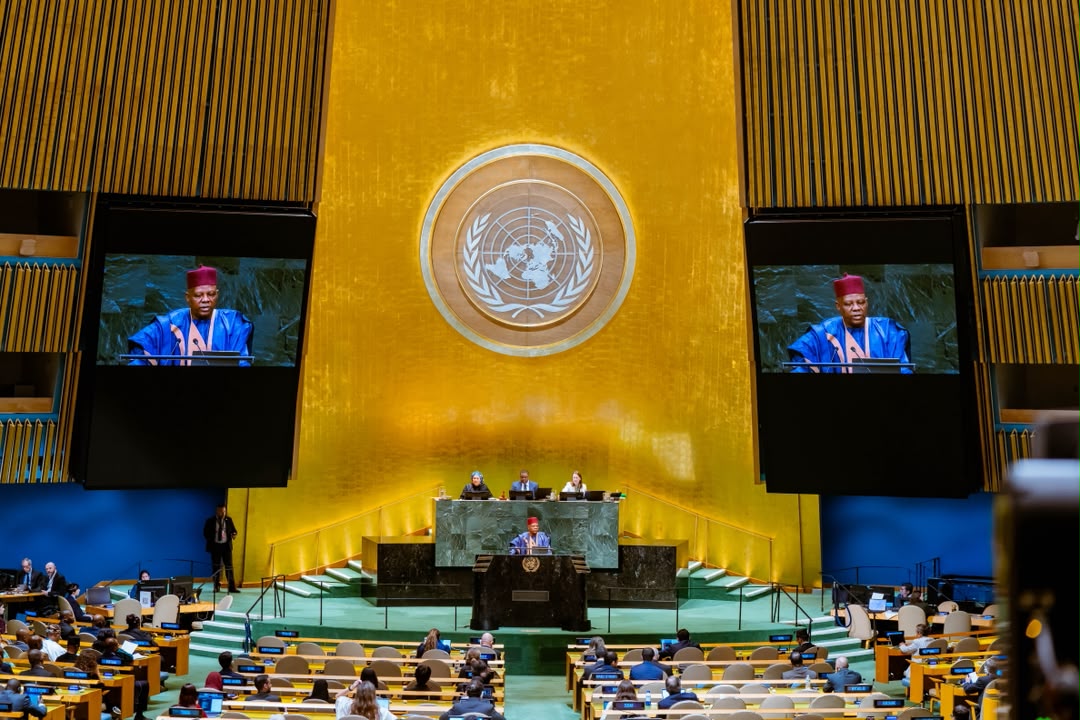
Nigeria has formally outlined the specific conditions it requires from any candidate for the United Nations Secretary-General. This diplomatic move, articulated alongside recent bilateral talks between Vice President Shettima and the Queen of the Netherlands, positions Lagos to tie its institutional support to explicit national priorities. The country is now setting a measurable standard for what it expects in return for its backing in the global leadership race.
Why it matters
For the African Union and the continent’s diplomatic machinery, this creates a new leverage point. By stating conditions upfront, Nigeria is forcing a consolidation of African interests that can no longer be treated as a vague regional preference. If other major African economies align with this framework, the selection process shifts from a passive hope for regional representation to an active transaction where candidates must prioritize the African agenda to secure their mandate. This strengthens the continent's hand in the Security Council, as veto-holding nations must now account for a coordinated bloc backed by a major regional player.
In the most likely scenario, leading contenders will explicitly adopt these stated conditions in their platforms to secure the necessary regional support. If Nigeria successfully coordinates a unified vote among its regional partners, the outcome could be a Secretary-General with a strong, demonstrable record on African development and trade policy. Conversely, if these conditions are viewed by other diplomatic blocs as overly restrictive, the vote risks fragmenting, potentially stalling the process or resulting in a leader with weak alignment with African interests. The specific content of these conditions remains the critical variable that will determine whether this stance unifies the continent or complicates the final selection.
What to watch next
In the coming weeks, public statements from other major African economies will reveal whether they support or oppose Nigeria's conditions. Leading contenders for the role are expected to release official policy documents within the next two to three months; watch for explicit references to the priorities cited by Lagos. If these documents dismiss the conditions as non-essential, it signals a potential diplomatic rift. However, high-level endorsements from major AU states for a single candidate would confirm that Nigeria’s conditions are becoming the de facto standard for the role.
Comments
No comments yet.