What changed
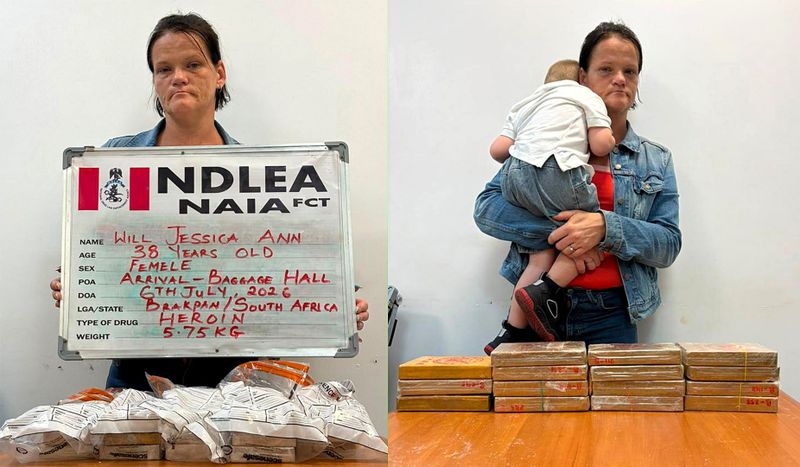
A security briefing linked recent drug cases involving Nigeria, South Africa and Mozambique to wider concerns about cross-border trafficking, including activity by Mexican cartel-linked suspects. A South African woman was sentenced in Nigeria to 25 years for smuggling heroin, while authorities in Nigeria, Mozambique and South Africa reported separate arrests, chemical seizures and drug-production cases in 2026.
Why it matters
The criminal cases are landing in an already tense relationship. Nigeria’s parliament banned official visits to South Africa in September after violent protests targeting immigrants, while President Bola Tinubu ordered officials to create a crisis notification unit for Nigerians affected by attacks and anti-foreigner sentiment.
That makes drug enforcement more than a policing issue. South Africa has said that more than 500 Nigerian nationals had entered its criminal justice system for various offences by 7 July. Its officials have also called for stronger cross-border security cooperation, while acknowledging that crime allegations have fuelled negative perceptions of Nigerians living in South Africa.
The geography matters. In April, Mozambican authorities said they had seized large quantities of drug-producing chemicals and arrested three suspects, including two Mexicans allegedly linked to the Sinaloa cartel. In May, Nigerian authorities announced the dismantling of a Nigerian-Mexican methamphetamine-production syndicate. South African police separately arrested a 34-year-old Nigerian national and seized drugs valued at R12,400 in an operation targeting local distribution.
The cases should not be treated as proof of one unified cartel network. But taken together, they show why officials are focusing on cooperation across borders: arrests in one country may not reveal where drugs, chemicals or organisers came from.
The immediate risk is political as much as criminal. If trafficking cases continue to be read through existing arguments about migration and xenophobia, security cooperation could become harder precisely when officials need it most.
Comments
No comments yet.