What changed
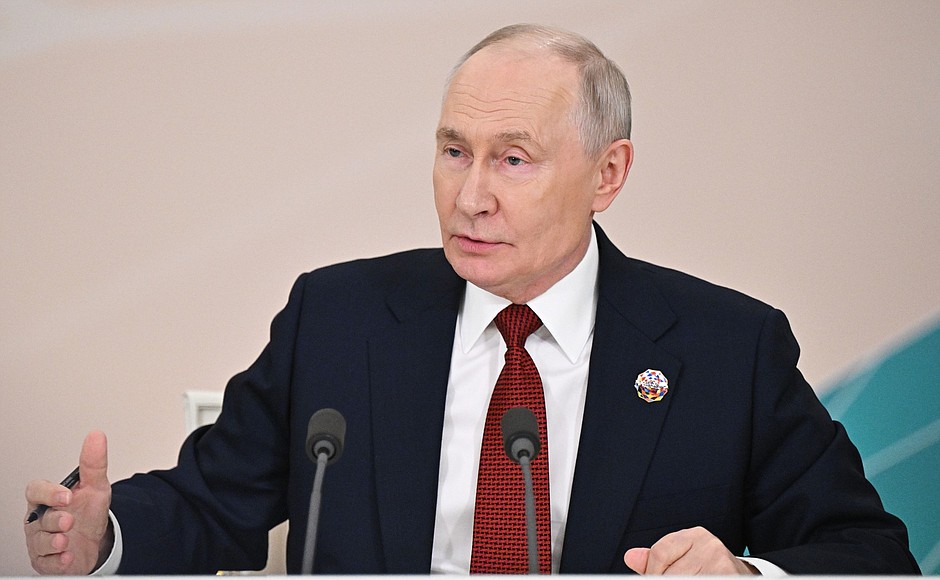
Russian President Vladimir Putin said Russia is ready to expand agricultural cooperation with African countries beyond grain and fertilizer exports. Speaking at the Russia–Africa Summit in Moscow on October 29, he proposed technology transfer and joint investment across livestock farming, crop production, food processing and storage.
Russia supplied more than 18 million tonnes of grain to African countries in 2025 and 13 million tonnes in the first nine months of 2026. Fertilizer exports reached about 1.5 million tonnes in 2025 and more than 2.2 million tonnes in 2026 by the time of his address.
Why it matters
The proposal shifts the focus from selling agricultural inputs to helping build more of the production chain inside African countries. That means support for farms, livestock systems, storage facilities and food processing, rather than treating food security mainly as a question of shipments arriving at a port.
Putin pointed to Russia’s own move from a major grain importer in the early 2000s to the world’s leading grain exporter as evidence that technology and better-organised production can raise output. His argument is straightforward: African countries with substantial agricultural land could use similar expertise, adapted to their different climates, to produce more and eventually export more.
The important test is whether the offer becomes a working programme. No specific projects, funding commitments, participating countries or timetable were announced, and the proposal does not yet show that African domestic output will increase. For now, the concrete change is Russia’s stated readiness to participate in farming, processing and storage, not just supply commodities.
Comments
No comments yet.