What changed
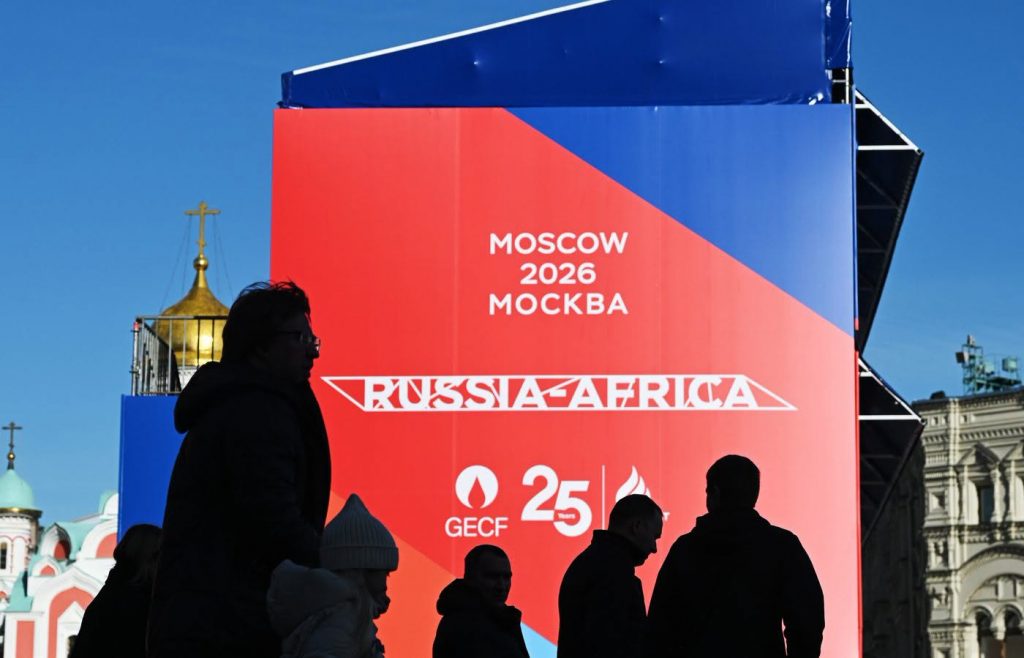
The third Russia–Africa Summit opens in Moscow on October 28–29, with 48 African countries taking part. Russian President Vladimir Putin and Burundi’s President Évariste Ndayishimiye, chairperson of the African Union, will co-chair the meeting; 22 countries are expected to send heads of state, up from 17 in 2023.
Why it matters
The summit is built around turning political ties into working arrangements across trade, investment, energy, infrastructure, agriculture, food security, science, technology, education and health.
Its most concrete proposed outputs are:
- a final declaration;
- a declaration on cooperation in artificial intelligence;
- a Russia–Africa Partnership Forum action plan for 2027–2029;
- bilateral agreements across several sectors.
That gives the meeting a practical test. The language of partnership is already familiar; the important question is whether the new plan produces funded priorities and clear ways to carry them out. The summit’s parallel economic and humanitarian forum, bringing together officials, businesses, financial institutions and experts, is where those priorities may begin to acquire detail.
The presence of the African Union, the African Continental Free Trade Area and major regional bodies also gives the gathering a wider institutional scope. It is not only a series of bilateral conversations with Moscow. It is an attempt to define how Russia–Africa cooperation fits into continent-wide trade, technology and development priorities.
Comments
No comments yet.