What changed
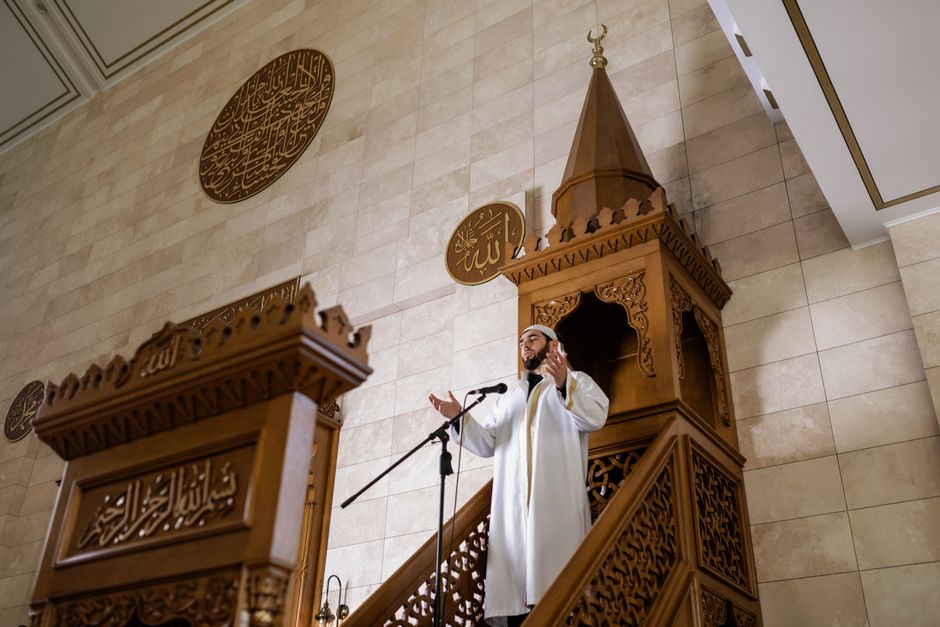
On September 18, 2026, Murtadha Gusau published a Friday sermon arguing that Senator Shehu Buba Umar should be understood as a Muslih, a mediator, rather than a sponsor of terrorism.
That is the concrete development: a religious-political argument has put two sharply different descriptions of Umar’s role side by side. The sermon offers a framing, not a documented finding about the allegation.
Why it matters
Words matter more when they attach themselves to security-sensitive politics. “Mediator” suggests someone trying to bridge a conflict. “Terrorism sponsor” suggests complicity in violence. The gap between those labels is not semantic decoration; it can shape how political intermediaries, constituents and commentators judge Umar’s legitimacy.
The near-term effect is likely to be another round of argument over characterization, rather than any established change in Umar’s authority, legal position or security role. The practical question is whether the public debate remains anchored to the sermon’s claim or moves toward independently verified evidence about what Umar actually did.
That distinction will also test the space available to other intermediaries. If political actors treat either label as settled fact, reputational pressure could make sensitive mediation harder, even without any verified change in conduct. If later statements separate religious argument, allegation and evidence more carefully, the debate could become more precise.
What to watch next
The clearest signals are a direct response from Umar, a formal statement or action by a Nigerian political, judicial or security institution, and subsequent reporting that provides independently verified evidence about his alleged role. Without one of those developments, the sermon remains an influential argument about identity, not proof of either description.
Comments
No comments yet.