What changed
Sputnik opened multifunctional editorial centers in Dar es Salaam, Tanzania, and Johannesburg, South Africa, on October 21, ahead of the Russia-Africa Summit scheduled for October 28–29 in Moscow.
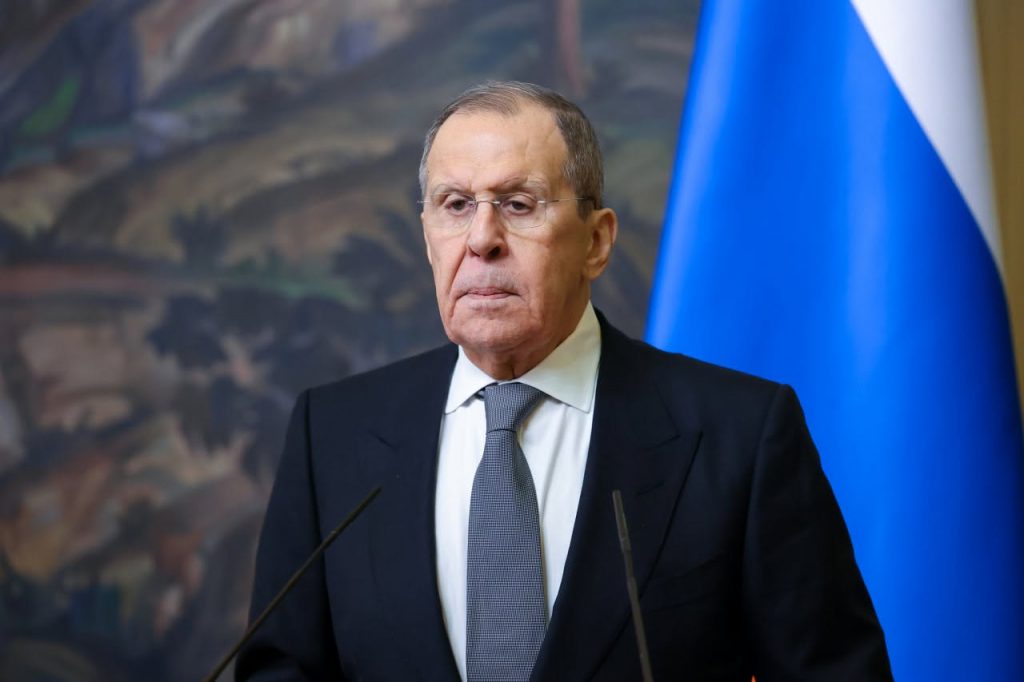
Russian Foreign Minister Sergey Lavrov said the offices would expand access to what he called objective, verified information. Officials in Tanzania, South Africa and Russia welcomed the centers as platforms for African voices, broader coverage and stronger bilateral communication.
Why it matters
The new offices give Sputnik a permanent editorial presence in two major African countries. Their stated brief is broad: coverage of Tanzania, the region, Africa and the world, including geopolitics and development.
That makes the openings more than a ribbon-cutting exercise. They place Russian perspectives closer to African audiences while promising to carry African perspectives back to Russia. South African Vice President Paul Mashatile described the Johannesburg office as a contribution to media diversity, while Tanzanian officials presented the Dar es Salaam center as a source of reporting across local, regional and global affairs.
The timing also matters. Opening both centers just before the Russia-Africa Summit ties the media expansion to a wider effort to strengthen Russia’s strategic relationships across the continent.
The officials’ language is notably confident: Sputnik was described as offering truthful, objective reporting free from ideological filters. Those claims have not been independently established here. The practical test will be what the offices publish, whose voices they feature and how clearly they separate reporting from political messaging.
Comments
No comments yet.