What changed
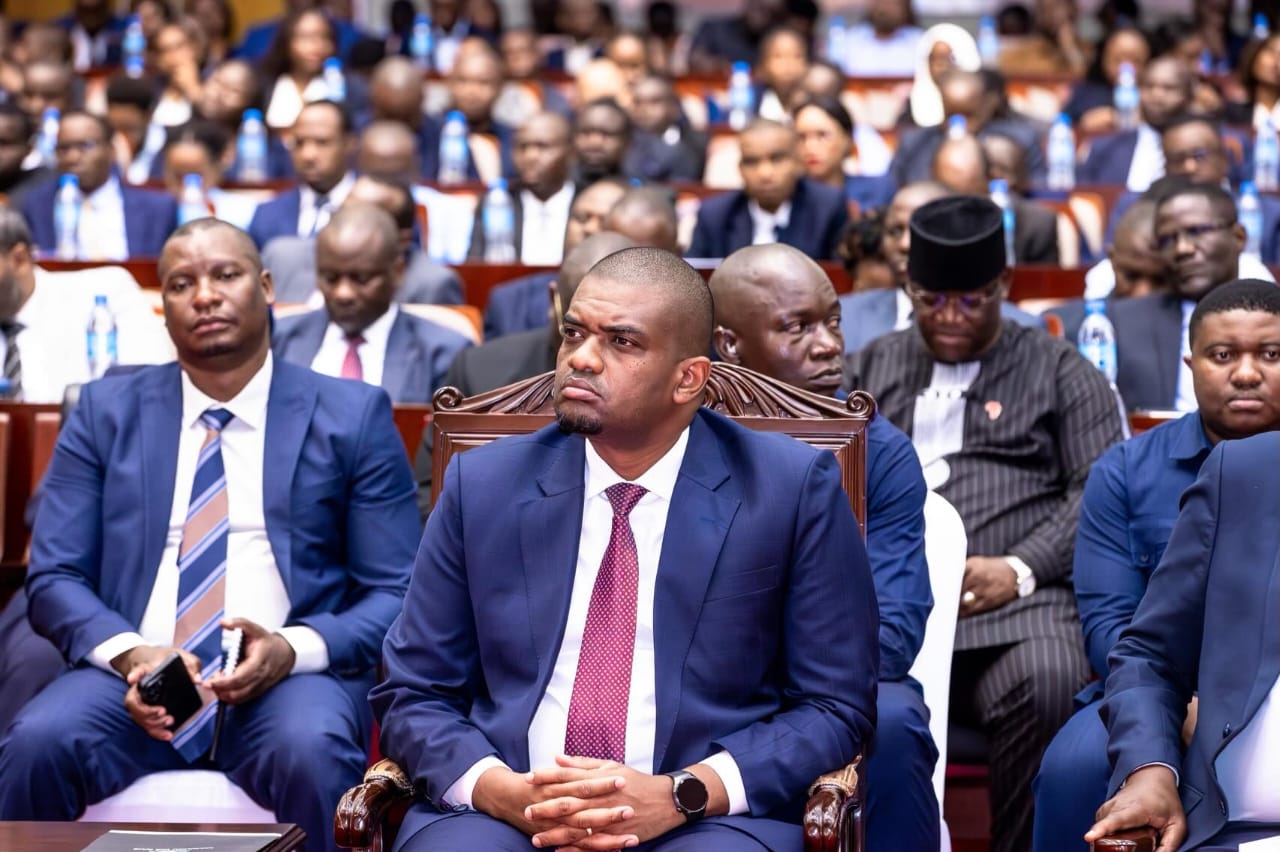
Tanzania has signed petroleum exploration licences for four blocks: Mnazi Bay North, West Songo Songo, Eyasi-Wembere and Lindi-Mtwara. Vice-President Deogratius Ndejembi directed the Ministry of Energy to ensure the expanding sector creates jobs, transfers technology and opens more work for Tanzanian-owned businesses.
Why it matters
The government is putting local participation at the centre of Tanzania’s next oil and gas phase. That means training young people, expanding technical expertise and creating a centre of excellence, while making sure domestic companies can supply goods and services.
Ndejembi also ordered stronger enforcement of local-content rules and warned against foreign companies registering locally simply to claim opportunities meant for Tanzanian businesses. The Ministry of Energy is expected to monitor licensed projects against their contractual commitments, a test of whether the new licences produce more than promises.
The government expects the sector to increase public revenue through royalties, taxes and profit-sharing, while supporting employment, electricity generation and industrial development. Preparations for the proposed LNG project in Lindi are also expected to move towards the required agreement.
The bigger question is execution. Tanzania’s Development Vision 2050 includes an ambition for a US$1 trillion economy, but the report gives no timetable for the skills plan, monitoring system or LNG agreement, and no estimate of the jobs the projects may create.
Comments
No comments yet.