What changed
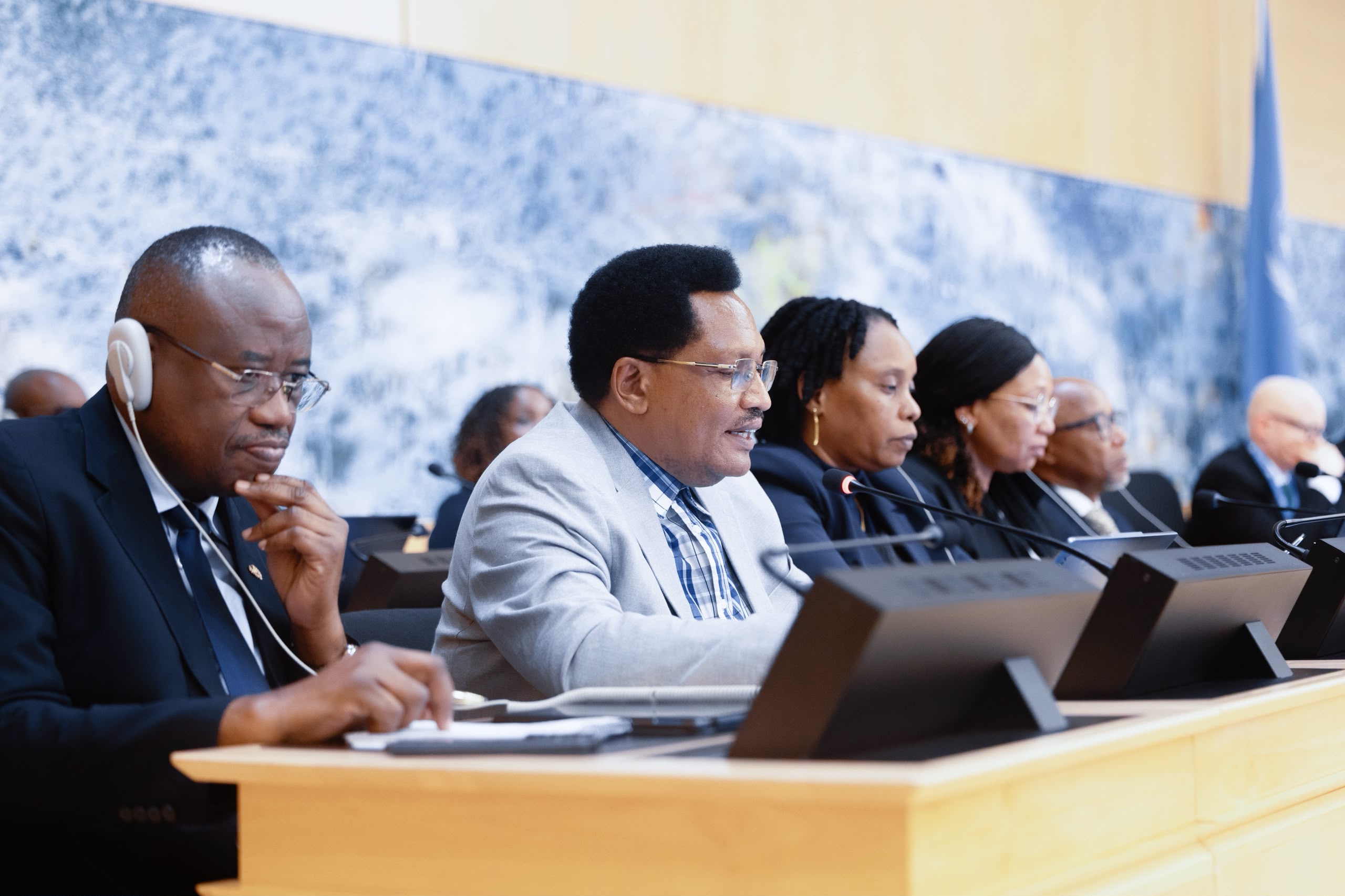
At the UN’s 53rd Universal Periodic Review in Geneva, Professor Hamisi Masanja Malebo presented Tanzania’s position that all citizens are equal nationals and that the country’s laws do not recognise Indigenous peoples or a distinct category of ancestral land.
He said Tanzania has more than 120 ethnic groups, with Bantu communities making up about 95% of the population, and argued that historical movements and displacement make exclusive modern Maasai land claims less absolute in Ngorongoro and elsewhere.
Why it matters
This is a direct defence of Tanzania’s legal framework amid disputes over who can claim land as ancestral. The government is resisting a system that would give one community a special legal status based on historical occupation.
Malebo’s argument turns history into part of that defence. He described Maasai expansion during the 17th, 18th and 19th centuries, including conflict and displacement involving Khoisan, Cushitic and Bantu communities, as well as older pastoralist groups such as the Datooga. On that reading, deciding land rights solely by who arrived first would not produce a simple answer.
The position also shows why the dispute is difficult to settle through identity alone. Tanzania’s government treats the country’s many African communities as indigenous to Tanzania collectively, while rejecting a separate legal category for ancestral land. That approach preserves equal national status in law, but it leaves communities seeking exclusive recognition without the constitutional or statutory category they want.
The outlook will depend on whether this position remains a legal principle or becomes the basis for decisions over contested land in places such as Ngorongoro. The report does not establish whether the UN session produced a recommendation or how other participants responded.
Comments
No comments yet.