What changed
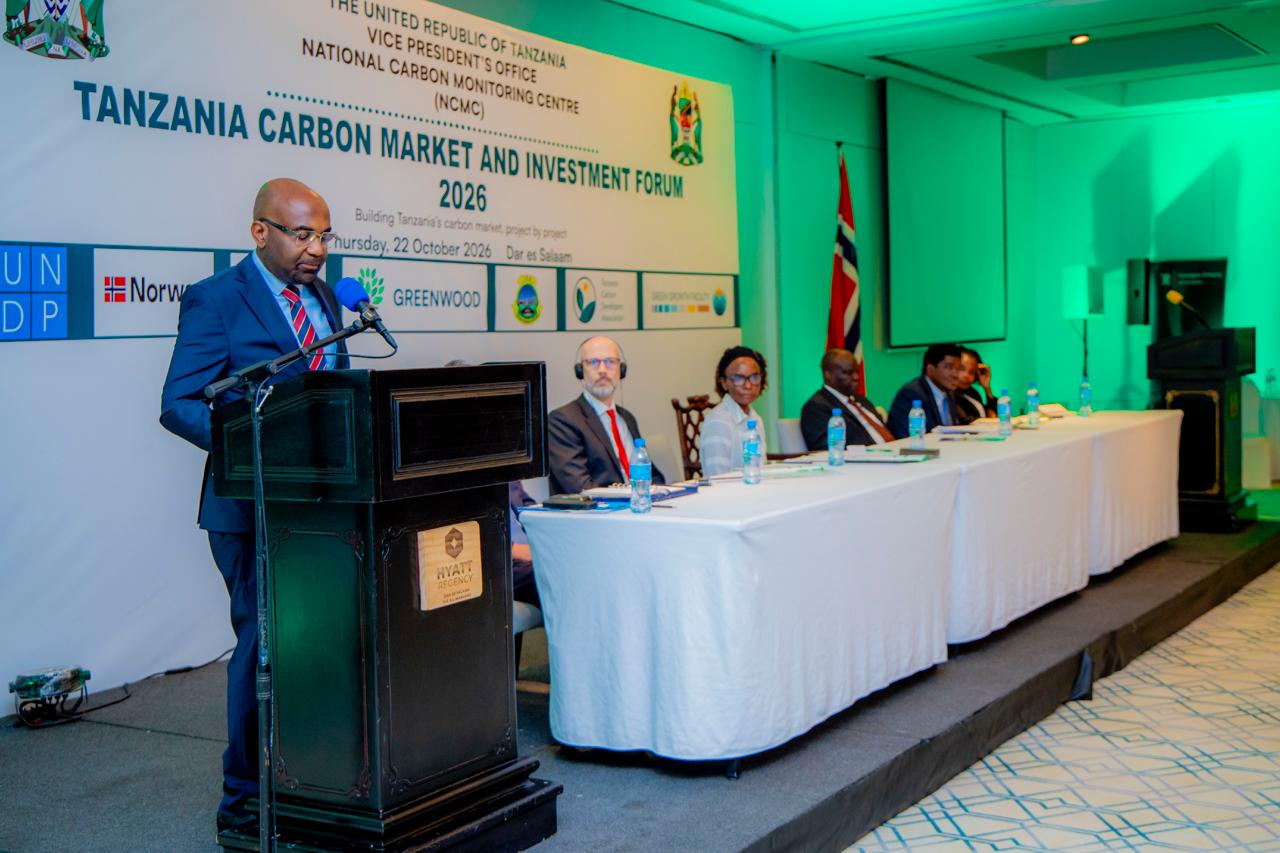
Tanzania says it wants to become Africa’s carbon-market hub, linking stronger regulation, transparent monitoring and investment to jobs, village income, forest conservation and clean energy. Speaking in Dar es Salaam on October 22, Environment Minister Hamad Yussuf Masauni said the government will judge the market by legal compliance, actual investment and benefits reaching communities, not simply by the number of projects. The National Carbon Monitoring Centre will support the methodologies, monitoring and verification behind that ambition.
Why it matters
This is a plan to make carbon trading part of Tanzania’s development machinery, rather than a narrow market for environmental credits. The clearest test will be whether a verified tonne of carbon produces something visible beyond paperwork: income for communities, work for young people, conserved forests or cleaner cooking at home.
Clean cooking stands out because the government identifies it as an opportunity capable of reaching millions of households while cutting greenhouse-gas emissions. That gives Tanzania’s carbon-market strategy a practical front door: kitchens, villages and household energy, not just conference rooms and trading platforms.
The ambition is significant, but it remains an ambition. No new law, project pipeline, investment amount, trading volume or implementation timetable was announced, and the statement does not show that Tanzania is already a regional hub. The next meaningful signal will be whether the promised rules, monitoring systems and community benefits become operating projects.
Comments
No comments yet.