What changed
Tanzania is aiming to become one of the world’s 10 largest food-producing countries under its Development Vision 2050.
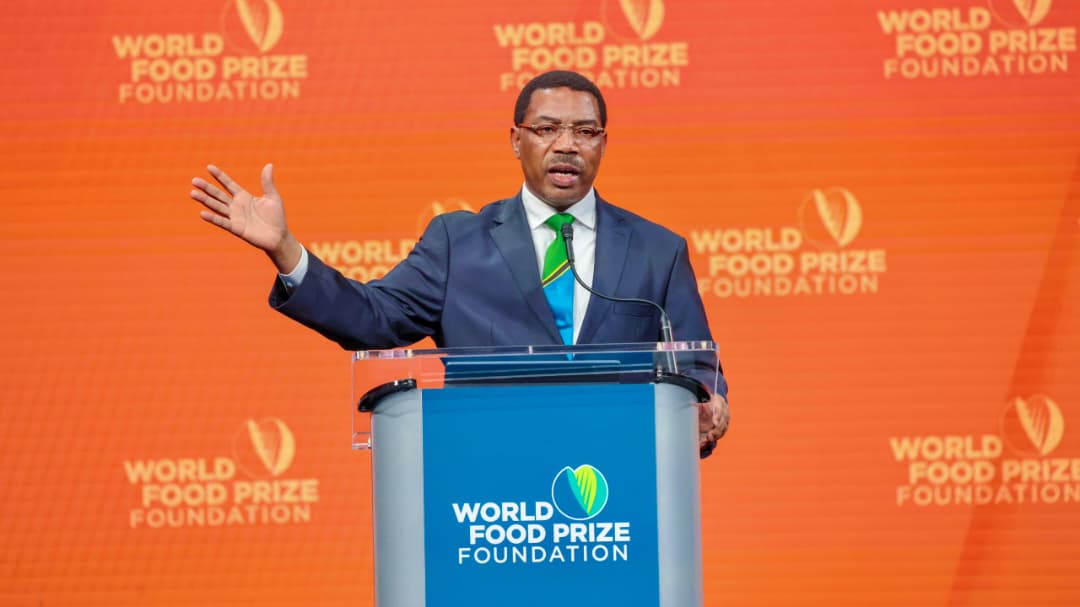
Prime Minister Mwigulu Nchemba announced the ambition on October 23 at the Borlaug International Dialogue in Des Moines. He pointed to reported food self-sufficiency of 130% and agricultural exports rising from US$2.1 billion in 2021/2022 to US$3.7 billion in 2024/2025.
Why it matters
This is not a small agricultural target dressed up in grand language. Agriculture contributes 24.6% of Tanzania’s GDP, employs 65% of its workforce and generates about 30% of export earnings. If the ambition becomes policy rather than podium language, it would shape jobs, public investment and the industries that depend on farm output.
Nchemba called for investment in farmers, science, young people, women and resilient food systems. That points to the practical test: Tanzania will need more than higher production figures. It will need the people, research and systems that can keep food available while expanding exports.
Our reading is that the 130% self-sufficiency figure gives the government a strong political starting point, but it does not yet explain how Tanzania would reach the global top ten. The production baseline, ranking method, target year, financing and policies required remain unspecified.
Comments
No comments yet.