What changed
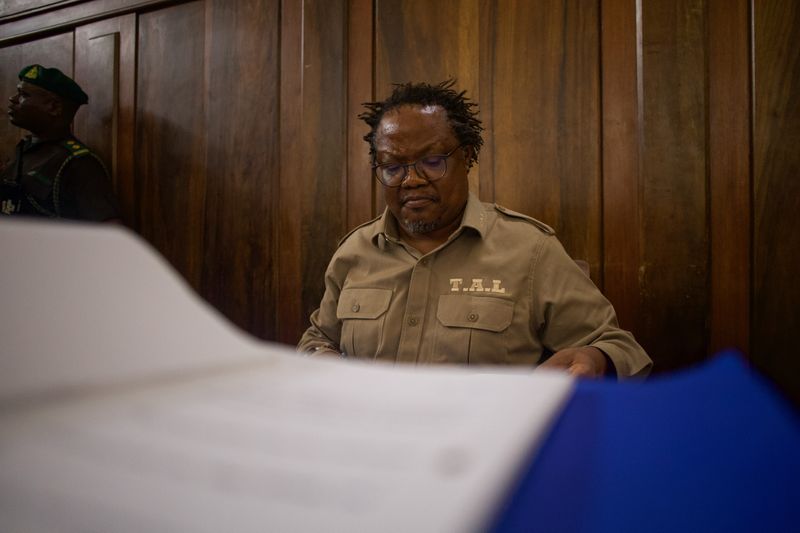
Tundu Lissu, leader of Tanzania’s CHADEMA opposition party, began refusing food on Monday after prison officials denied his lawyers entry to the facility where he is held. His lawyers say the strike also follows an alleged violation of a court order requiring privacy during legal consultations.
Lissu faces treason charges and has pleaded not guilty. The court is due to deliver its judgment on November 6, while the Tanzania Prisons Service says it will issue an update.
Why it matters
The hunger strike puts Lissu’s detention at the centre of Tanzania’s already strained political and human-rights debate. His lawyers’ access is now part of the case itself: if they cannot meet him privately, the dispute reaches beyond one prisoner’s treatment and into the fairness of his defence.
The timing is especially sensitive. CHADEMA was barred from the 2025 election after failing to sign a code of conduct, and a government-appointed inquiry said post-election violence killed at least 518 people. Lissu’s case therefore carries consequences for a party already pushed outside the electoral process, not just for the man awaiting judgment.
The immediate outlook is uncertain. The prison service has not disclosed Lissu’s medical condition, and it remains unclear what action, if any, the government will take before the November 6 ruling.
Comments
No comments yet.