What changed
South Africans are voting on 4 November 2026 in fiercely contested local elections, with more than 500 parties competing to lead nearly 300 municipalities.
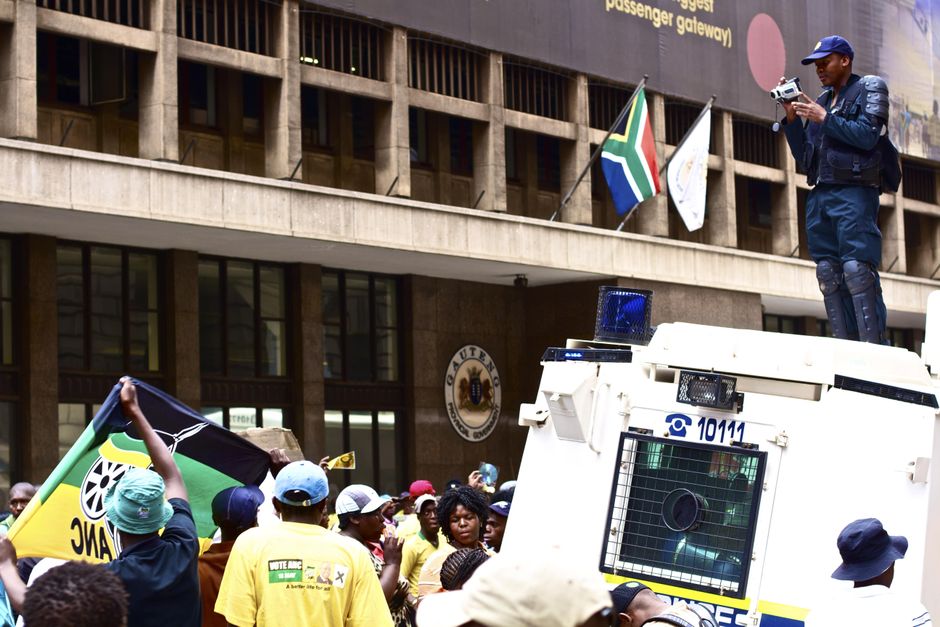
The African National Congress is trying to stop a long slide. Its vote share fell from 70% in 2004 to 40% two decades later, and it lost its parliamentary majority in the last national election. President Cyril Ramaphosa says the party is rising, but voters in places such as Alexandra are confronting rubbish, sewage, potholes, unreliable water and electricity.
Why it matters
These elections are about the services people meet at their front doors. Municipalities are responsible for water, electricity, refuse collection and other basic needs, so a result that weakens the ANC would put pressure on the party where its record is most visible: the street, the drain and the rubbish pile.
Alexandra captures the political problem. It sits close to Sandton, with its towers, designer shops and maintained roads, yet residents describe worsening conditions. Some young people have not registered or do not intend to vote because they see little evidence that elections change daily life. Others, including first-time voter Sanele Ntombela, still see the ballot as a possible route to change.
The ANC’s outlook is therefore uncertain: its final vote share, municipal control, turnout and any coalition arrangements are not yet known. But the immediate test is clear. The party must persuade people that governing municipalities can mean more than another campaign beside another pothole.
Comments
No comments yet.