What changed
Two studies using DNA from 4,587 ancient Europeans offer new migration-based explanations for how Germanic and Celtic languages spread. A Baltic-linked population appeared in Sweden about 4,000 years ago and spread across Scandinavia by about 3,500 years ago, while a separate movement from eastern central Europe about 3,200 years ago best fits Celtic’s westward expansion.
Why it matters
The findings shift the likely timeline for Germanic in Scandinavia by roughly 800 years. That matters because Europe’s language map may have been redrawn by successive movements of people, not by one neat population spreading steadily from a single homeland.
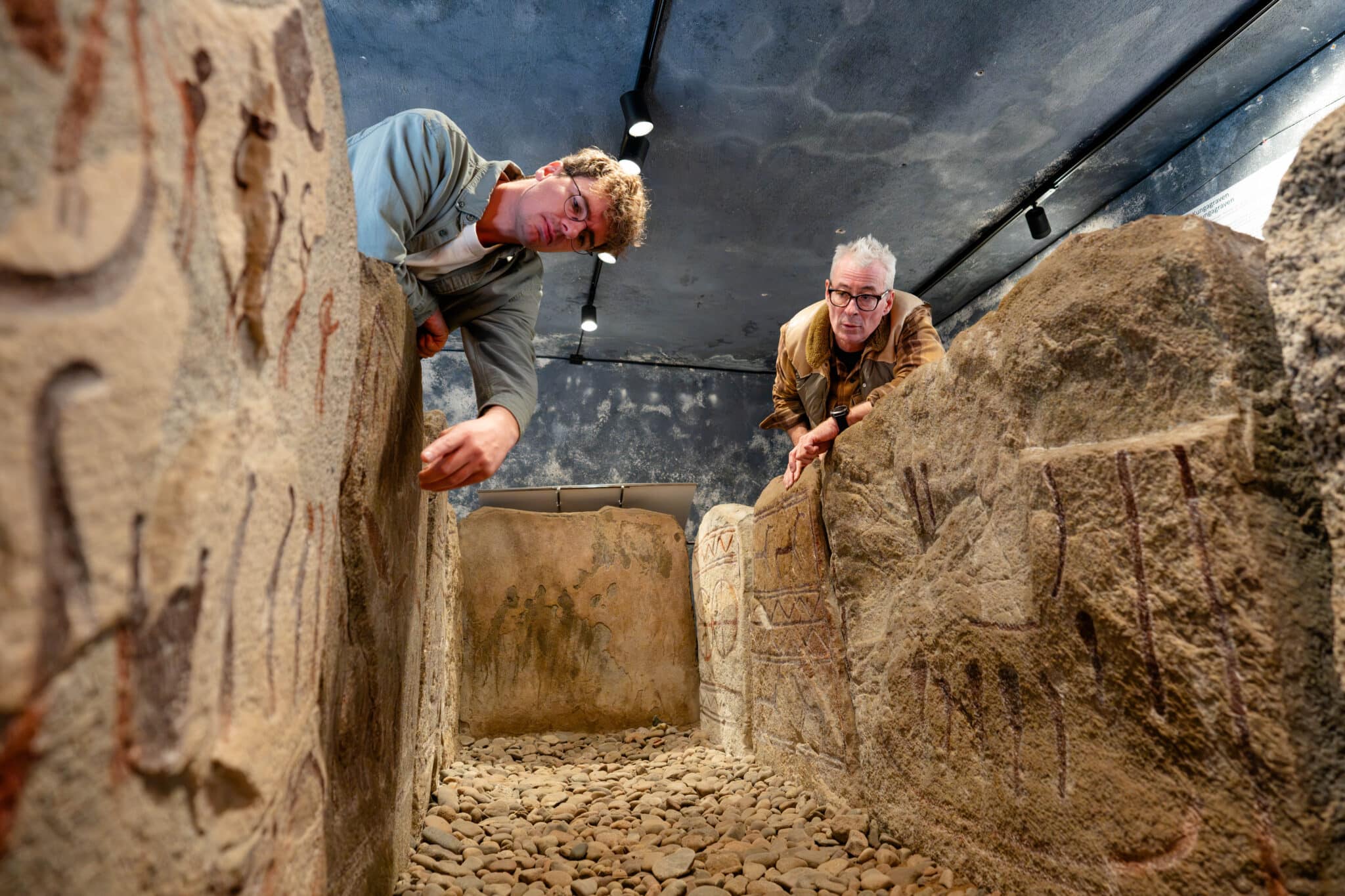
The proposed Germanic-linked group carried ancestry associated with the eastern Baltic and appeared alongside new burial customs and lasting bronze trade networks. The Celtic-linked movement followed a different route, moving west from eastern central Europe.
There is an important limit: DNA can track ancestry, not vocabulary. The populations may have carried early Germanic or Celtic, but the genetic evidence cannot prove which language any ancient person spoke. These are the best-fitting explanations, not final answers.
Comments
No comments yet.