What changed
Prime Minister Andy Burnham says he wants to “repair bridges” between Ukraine and the United States before meeting President Volodymyr Zelensky in Downing Street.
The UK is expected to accelerate air-defence missile deliveries to Kyiv, prepare further sanctions on Russia and press allies to act. The scale and timing of extra military and financial support remain unclear.
Why it matters
Burnham is trying to keep Ukraine’s support network intact at a delicate moment. Donald Trump’s decision to suspend sanctions on Russian diesel, after saying Vladimir Putin had agreed to release millions of tonnes for US import, has opened another public rift with Zelensky.
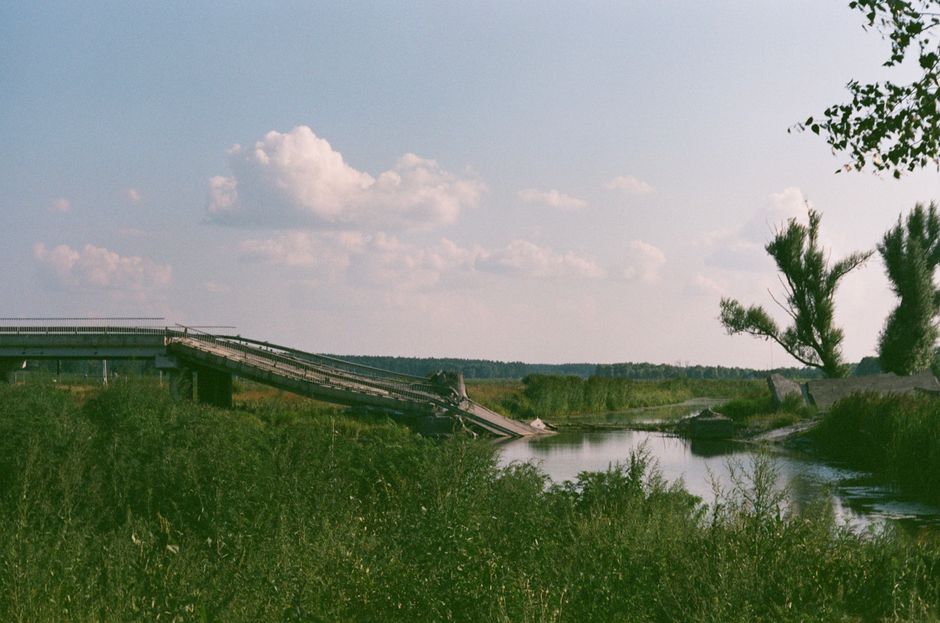
Burnham’s choice not to condemn Trump was deliberate. His argument is that a bridge, however strained, is more useful than a speech that burns it. That puts the UK in a mediating role while still promising practical help for Kyiv.
The pressure is immediate. Zelensky said Russian strikes left at least 600,000 people without electricity, after attacks hit critical energy infrastructure. Trump has said an energy-infrastructure ceasefire exists, but Ukraine says Russia is still hitting power facilities, while Russia says its strikes target communications and energy sites used by Ukraine’s military.
Zelensky is due to receive a military ceremonial welcome at Downing Street and meet King Charles. Those symbols will matter less than whether the promised missiles arrive quickly, whether new sanctions are announced, and whether allies support the proposed ban on Russian liquefied natural gas.
The central uncertainty is whether diplomacy can produce restraint while the attacks continue. Ukraine has offered to stop striking Russian oil refineries and other energy facilities if Moscow does the same; Russia’s foreign minister, Sergey Lavrov, has rejected the idea of giving Ukraine that “respite.”
Comments
No comments yet.