What changed
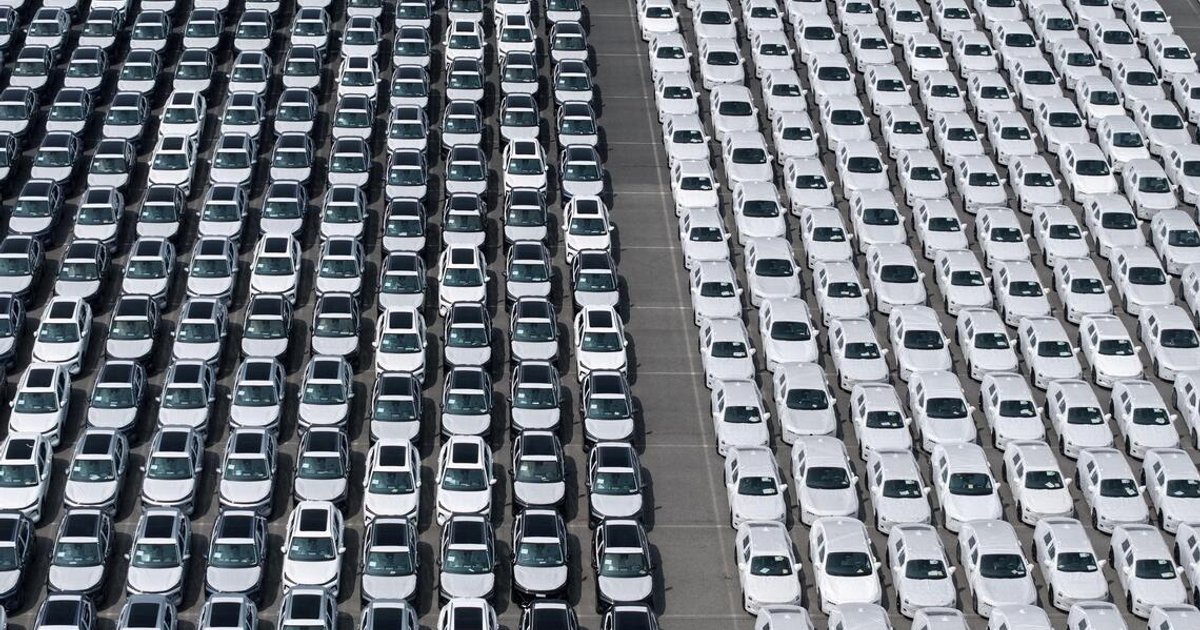
China and the European Union said talks in Beijing produced an understanding to moderate Chinese hybrid-vehicle exports to the bloc. EU trade chief Maros Sefcovic said shipments could fall by more than half over four years, while China said the discussions also covered electric vehicles and continued rare-earth supplies.
China’s Commerce Minister Wang Wentao and Sefcovic described the two-day talks as a new starting point. The understanding is described as compliant with World Trade Organization rules, and the next meeting is planned for March.
Why it matters
The proposed change puts a possible ceiling on one of the sharpest pressure points in China-EU trade. European carmakers would get some breathing room from Chinese hybrid imports, while Chinese manufacturers would retain access to the market under terms still being worked out.
Rare earths give the talks a second layer. China’s commitment to continue supplying them matters because the EU is watching those flows closely after Beijing introduced export-licence requirements in 2025. Vehicles and minerals now sit in the same negotiating channel: market access on one side, industrial inputs on the other.
The outcome is promising, but its practical force remains unclear. The final export mechanism, starting shipment volume and enforcement terms have not been specified, and it is not yet clear whether the understanding will be legally binding. If those details are settled, the March meeting could turn a diplomatic pause into a workable trade arrangement; if not, “moderation” may remain more a political signal than a durable limit.
Comments
No comments yet.