What changed
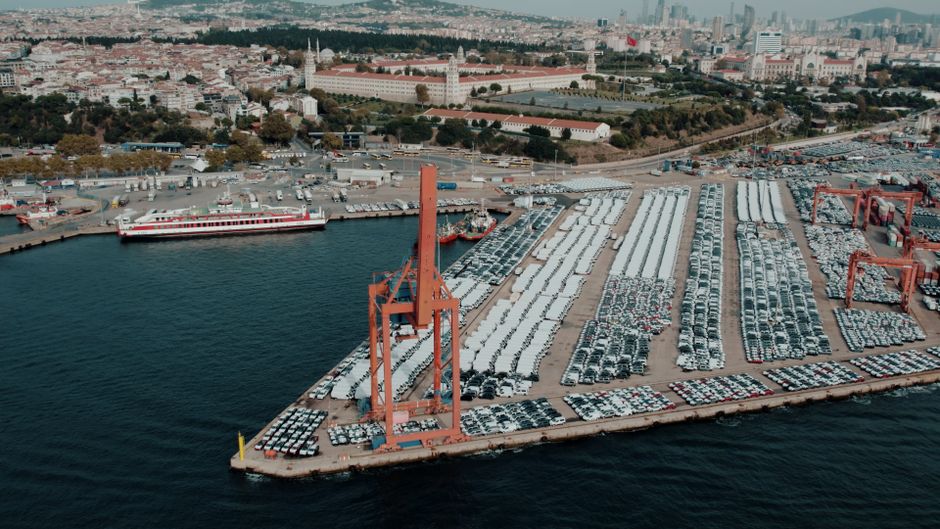
Guangzhou Port’s Xinsha Port Area shipped more than 72,000 domestically made vehicles by rail in the first three quarters of 2026, up 190% from a year earlier. Rail-linked vehicles made up nearly half of the port’s more than 160,000 vehicle exports, making sea-rail transport its main route for sending cars overseas.
September set a record at 13,600 vehicles. Brands including Wuling, BYD, Xpeng and GAC moved cars from Guangxi, Chongqing, Hunan, Sichuan and Guizhou through Xinsha to Southeast Asia, the Middle East, South America, Africa and Europe.
Why it matters
The important change is not simply that more cars left Guangzhou. The port’s rail connection is now doing the heavy lifting. Its tracks run less than 100 metres from the roll-on/roll-off terminal, so vehicles can move from train to ship with almost no road transfer in between.
That setup cuts logistics costs by about 20% and transport time by 30%. For manufacturers spread across southern and southwestern China, Xinsha becomes a more direct outlet to overseas markets. The latest figures show how quickly that channel has scaled: monthly inspections averaged about 5,000 cars in the first four months, then settled near 10,000 for almost five months, contributing more than 70% of the first-three-quarter total.
The pace may not continue at the same rate; the figures do not show destination-by-destination volumes, export revenue or whether the savings reach overseas buyers. But the direction is clear. China’s vehicle export network is increasingly being built around the handoff between rail and ship, with Xinsha positioned as one of its busiest links.
Comments
No comments yet.