What changed
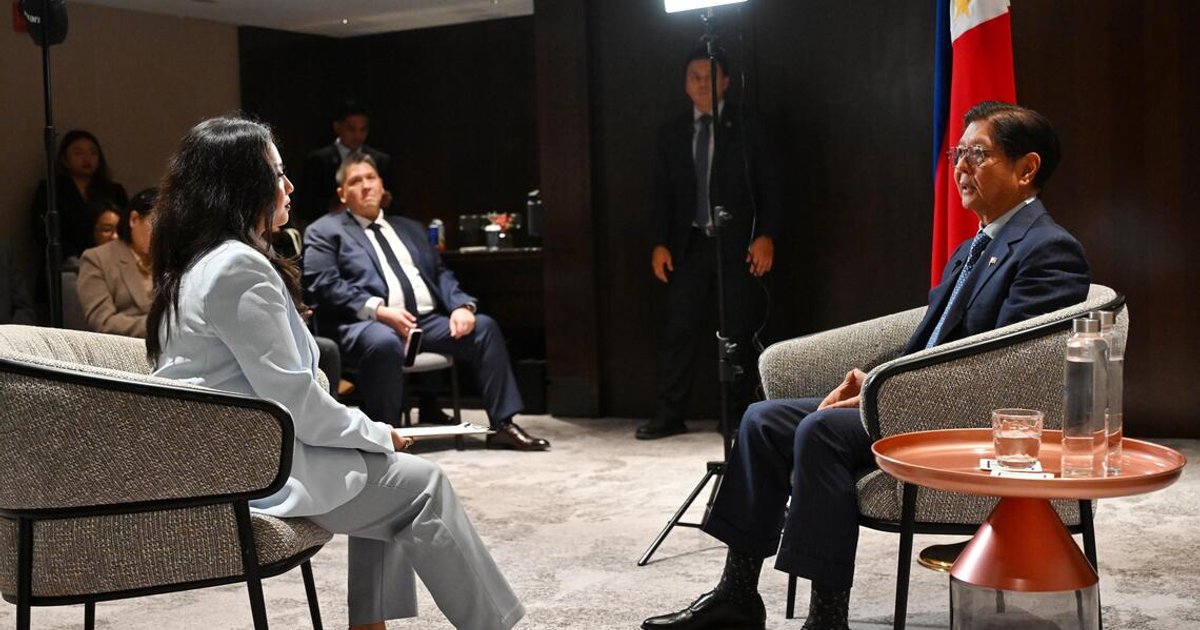
Philippine President Ferdinand Marcos Jr wants Singapore to turn ASEAN’s Digital Economy Framework Agreement into working rules when Singapore chairs the bloc in 2027, with artificial intelligence at the centre.
ASEAN expects to sign the agreement in November under the Philippines’ chairmanship. It would cover digital trade, cross-border data flows and electronic payments. Marcos also wants closer Singapore-Philippines cooperation in AI, healthcare and digital infrastructure.
Why it matters
This is a test of whether ASEAN can turn a regional promise into something businesses and governments can actually use. The agreement is meant to make digital activity across Southeast Asia more connected, but Marcos is asking Singapore to carry the work beyond the signing ceremony and keep it moving across leadership changes.
AI makes that task more urgent. Marcos said governments must prepare for job losses by retraining workers and supporting them through the transition, with private companies helping shape training around real industry needs. That puts labour policy alongside data rules and electronic payments as part of ASEAN’s digital agenda.
The economic prize is a stronger internal market. Intra-ASEAN trade currently accounts for about 24% of the bloc’s total trade, leaving room for closer regional commerce as supply chains and trade policies shift.
Singapore’s role is not yet fixed. The timing, enforcement arrangements and specific projects remain unspecified. The next meaningful signal will be whether Singapore accepts concrete implementation responsibilities for 2027, especially on AI safeguards, worker retraining and the systems needed to move data and payments across borders.
Comments
No comments yet.