What changed
Visitor numbers at Tokyo’s Ueno Zoological Gardens fell about 19% from February through August after giant pandas Xiao Xiao and Lei Lei returned to China at the end of January. About 1.53 million people visited during that period, while the zoo began promoting shoebills, night events and a themed electric cart as new attractions.
Why it matters
Ueno’s panda problem is also a diplomatic one. Tokyo officials say new pandas are unlikely without signs of improved Japan-China relations, leaving the zoo to preserve the area’s appeal while the former panda enclosure heads toward demolition.
The numbers show how sharply the pandas shaped ordinary visits. Attendance exceeded the previous year’s figure by nearly 30,000 in January, before the twins’ final public appearance on January 25. Afterward, weekday visits weakened as well.
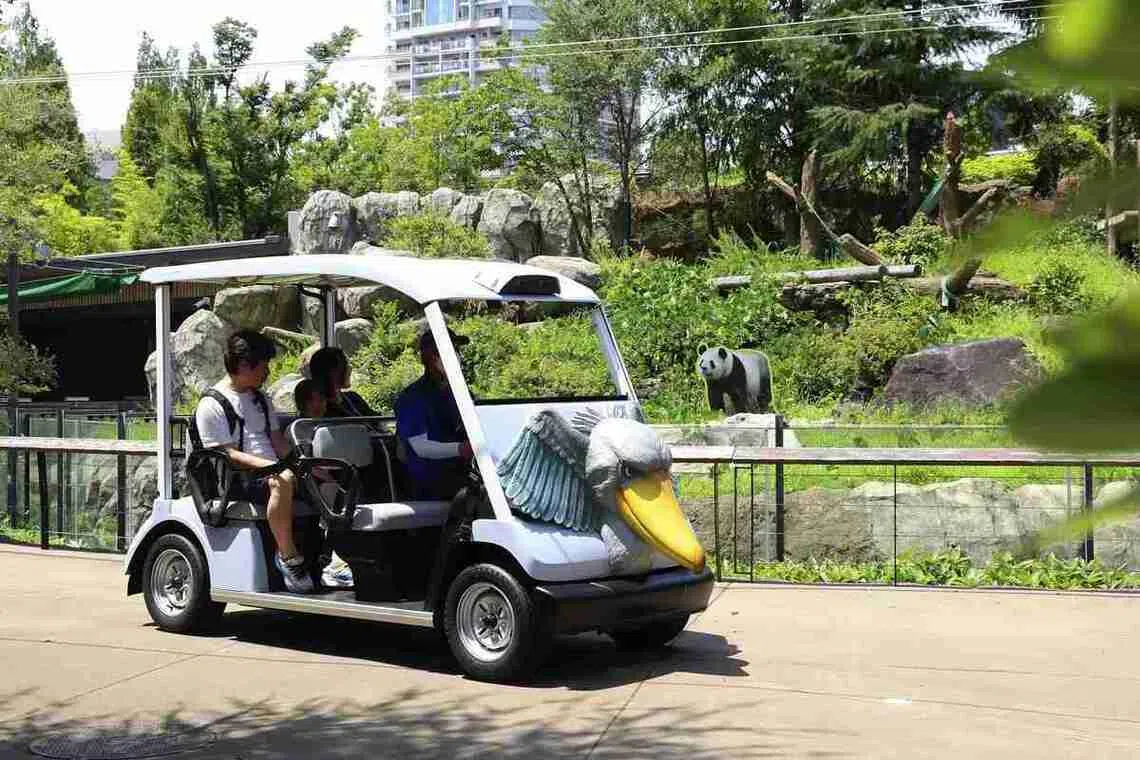
Shoebills offer a clever but imperfect substitute. Their motionless stance, severe gaze and sudden comic expressions give visitors something to photograph, while May and June night events added a reason to return. A free self-driving cart decorated with a shoebill now tours the former Panda Forest.
That may keep interest alive, but it cannot replace the certainty of seeing pandas. The zoo’s best near-term strategy is therefore less about finding an equal star than keeping Ueno’s panda identity warm until relations make a return possible.
Comments
No comments yet.