What changed
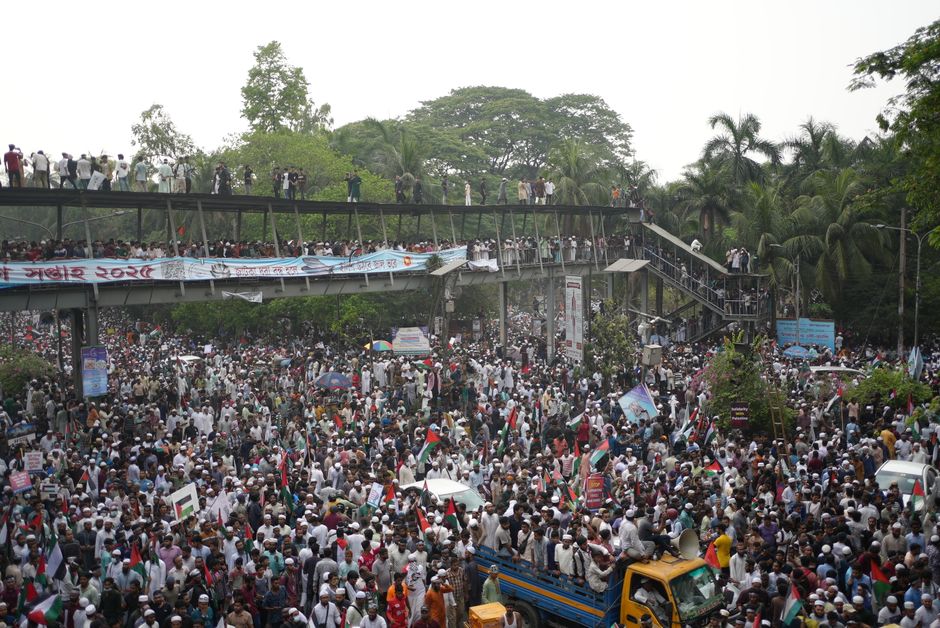
Supporters of ousted Prime Minister Sheikh Hasina staged nationwide protests in Bangladesh, clashing with security forces, burning vehicles and tyres, blocking roads and briefly stopping traffic on the Padma bridge. Police used tear gas and rubber bullets, while a bus driver in Faridpur died from smoke inhalation after a passenger vehicle was set alight.
The protests are the first organised show of force by Hasina’s supporters since her ousting in August 2024. Bangladesh’s interim authorities say they will not issue her a passport, want India to hand her over and would execute her death sentence if she returned.
Why it matters
This turns Hasina’s possible return into a live confrontation between her supporters, Bangladesh’s authorities and India. Her request for a passport has given a movement that had largely been pushed out of public view a clear rallying point.
The costs are already landing on ordinary movement through the country. Burning roadblocks disrupted traffic, about 200 protesters halted the Padma bridge briefly, and violence killed a passenger-bus driver. The reported crude-bomb explosions add to the danger, although their scale and attribution remain unclear.
The political stakes are unusually high. Hasina fled after mass protests in 2024 in which the UN estimated that up to 1,400 people were killed, mostly by security forces. Her party was later banned from contesting the February election, and a tribunal sentenced her to death in absentia. She denies the charges and calls the trial politically motivated.
If Hasina returns, Bangladesh’s prosecutor says the sentence would be carried out. Whether she returns from India, or whether India would extradite her, remains unresolved.
Comments
No comments yet.