What changed
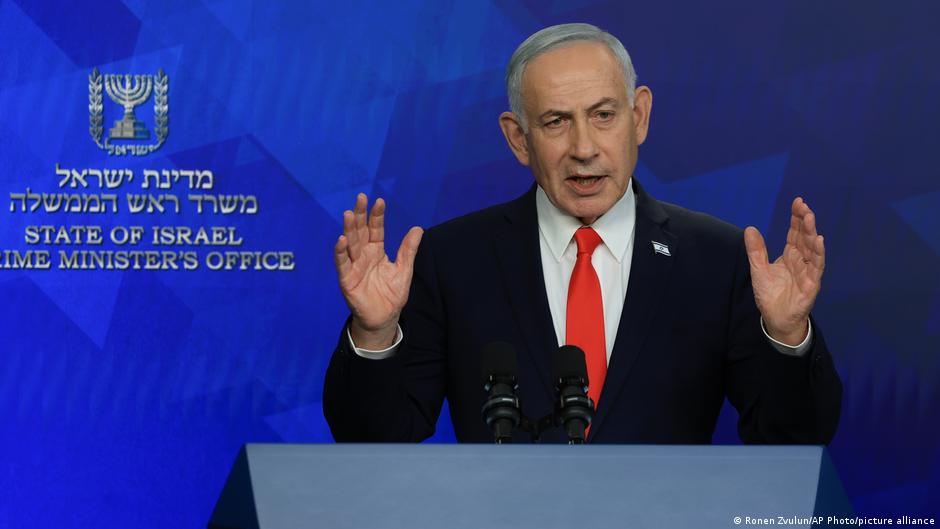
Based on reporting by DW, Benjamin Netanyahu’s office denies that the United Arab Emirates warned him before Hamas’s October 7, 2023 attack. Haaretz reported that UAE President Mohammed bin Zayed raised a planned Hamas operation in a call with Netanyahu 10 days beforehand; the UAE said relevant intelligence is communicated when necessary, without confirming that account.
The allegation arrives before next month’s Israeli election. October 7 killed about 1,200 people in Israel and saw 251 hostages taken into Gaza.
Why This Matters
This puts a sharper question into an election already shaped by the trauma of October 7: not simply what went wrong, but whether a warning from a regional partner reached the country’s top political office and how it was handled.
That distinction matters. A general concern about regional danger is one thing; a specific, actionable warning is another. Netanyahu’s categorical denial and the UAE’s carefully limited statement leave that central issue unresolved. But the allegation gives opponents a concrete way to press for an official inquiry, while putting future intelligence exchanges with regional partners under a brighter and less comfortable public light.
Our outlook (informed speculation): the immediate effect is likely to be political, not evidentiary. If no public account establishes the warning’s content, recipient and handling before voting, the dispute could still shift campaign resources and arguments toward preparedness and accountability. If it gains corroboration, pressure may move from speeches to a more formal examination of how foreign warnings are received, checked and escalated.
The historical parallel
The Guardian’s reporting described a reported warning to Israel before the October 1973 Yom Kippur War, passed through an Egyptian-connected channel. The structural similarity is the same hard institutional question: when a warning of a major attack arrives, who decides whether it is credible enough to change readiness?
The difference is material. The 1973 case involved Egyptian and Syrian state forces and a disputed intelligence-source relationship; the current allegation concerns a reported UAE warning about Hamas, which Netanyahu says he never received. The historical warning was reported only days before the attack, while this allegation concerns a call 10 days earlier.
Egyptian and Syrian forces attacked on October 6, 1973, and the war transformed Israeli politics; Golda Meir and her cabinet later resigned. That history suggests the key thing to watch now is whether this dispute remains campaign ammunition or becomes a defined test of institutional responsibility.
Impact assessment
Netanyahu and Likud are exposed in the weeks before the election because rivals can attach a specific alleged warning to broader questions about October 7 preparedness. The office’s denial limits the allegation’s immediate force, but it does not remove its usefulness as a demand for accountability.
Opposition parties gain a clearer argument for an official inquiry. If the allegation remains prominent, they could make preparedness a larger organizing issue in campaign messaging, forcing Likud to spend more effort defending its record.
Families affected by October 7 may see renewed pressure for answers. That pressure could widen beyond party politics if credible information emerges about the path a warning took through government institutions.
UAE-Israel intelligence channels may become more sensitive over the next six to 12 months. If public debate turns private security communication into a domestic political weapon, officials may face greater caution around how such exchanges are described and managed.
Scenarios
Most likely: If no public corroboration establishes the warning’s content, recipient and handling before the election, the allegation remains a contested campaign issue over the coming weeks. Opposition parties would continue using it to press for an inquiry, while Netanyahu’s office maintains its denial. The practical shift would be a stronger electoral focus on accountability, not a settled revision of what is known about October 7. Repeated opposition demands, continuing denials and no public resolution would reinforce this path.
Upside: If attributable records or testimony distinguish a specific warning from a broader regional concern and show how it moved through Israeli institutions, pressure could form for a narrowly defined review of warning-validation procedures within six to 12 months. That could turn a partisan argument into clearer rules for escalating foreign intelligence. Consistent public accounts from UAE and Israeli officials, or a review with a defined mandate, would support this outcome.
Downside: If further evidence shows that a sufficiently specific warning reached relevant decision-makers and was not acted upon, distrust in the government’s handling of October 7 could deepen over the next six to 12 months. Calls for a state commission of inquiry could broaden, making intelligence oversight a larger test of institutional legitimacy. Corroboration of timing, specificity and decision-making would be the crucial trigger.
What to watch next
- An attributable UAE or Israeli account that specifies whether a warning was conveyed, when, to whom and with what detail.
- Whether an Israeli institution announces an inquiry or sets a mandate covering pre-October 7 warning handling.
- Whether major candidates keep tying the allegation to preparedness, accountability and demands for an inquiry.
Comments
No comments yet.