What changed
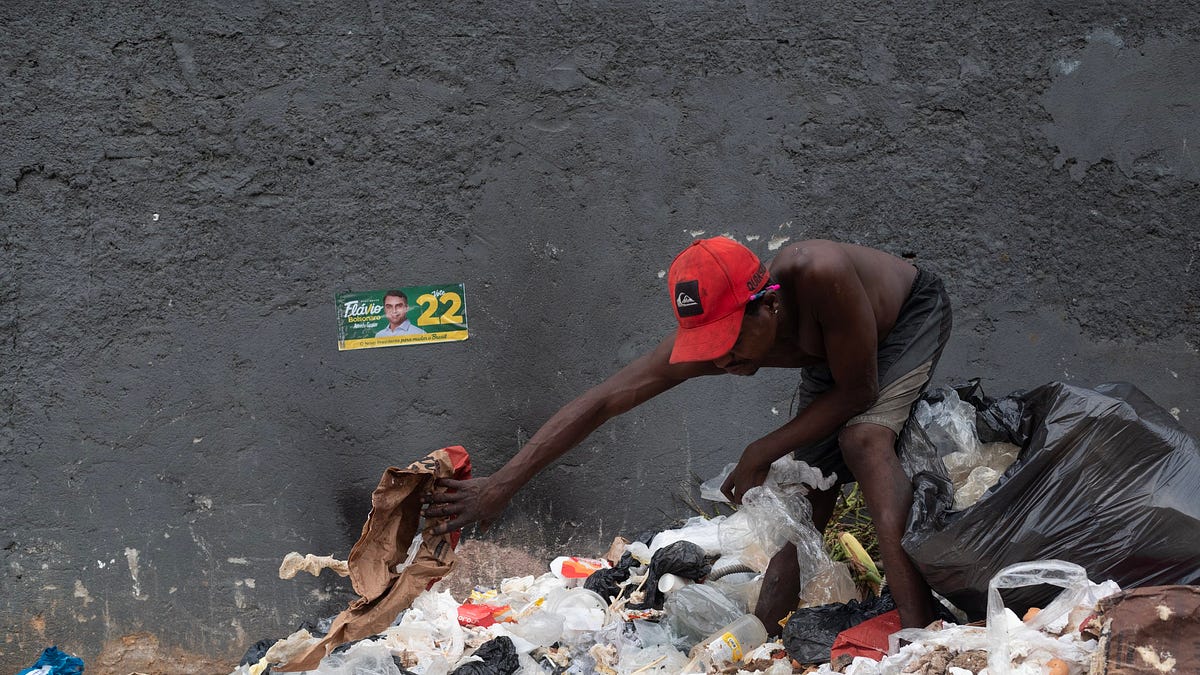
A Nov. 1 essay argues that Brazil’s middle class is caught in an identity crisis shaped by class anxiety, racial inequality and political polarization. It links two seemingly opposite currents, Bolsonarism and progressive class rhetoric, to a shared desire to preserve distance from poverty.
Why it matters
The argument is less about household income than about social position. Brazil’s middle class depends on domestic workers, delivery drivers, chauffeurs, caregivers and other service workers to sustain its comfort, while often treating those workers as socially separate.
That contradiction runs through politics. Bolsonarism can offer symbolic closeness to wealth by promising that “good” workers and taxpayers are different from poor people, criminals and residents of the peripheries. Its security rhetoric can then turn those communities into targets rather than citizens.
Progressive language does not automatically resolve the problem. Someone can defend workers in public while maintaining deeply unequal relationships with the people whose labor makes daily life easier. The essay’s sharpest point is that both positions can protect privilege, even when their political vocabularies sound completely different.
Class and race are tightly intertwined in this hierarchy. The essay points to paid domestic work being performed predominantly by Black women, and compares Brazil’s rigid social boundaries with caste-like arrangements while acknowledging that the histories are not the same.
This is an interpretation, not a portrait proven to describe Brazil’s entire middle class: the account offers no polling, economic data or measured policy effects. But it gives the political conflict a useful underlying question: how much of the country’s argument about security, merit and social order is really an argument about who must remain close enough to serve, yet far enough away to ignore?
Comments
No comments yet.