What changed
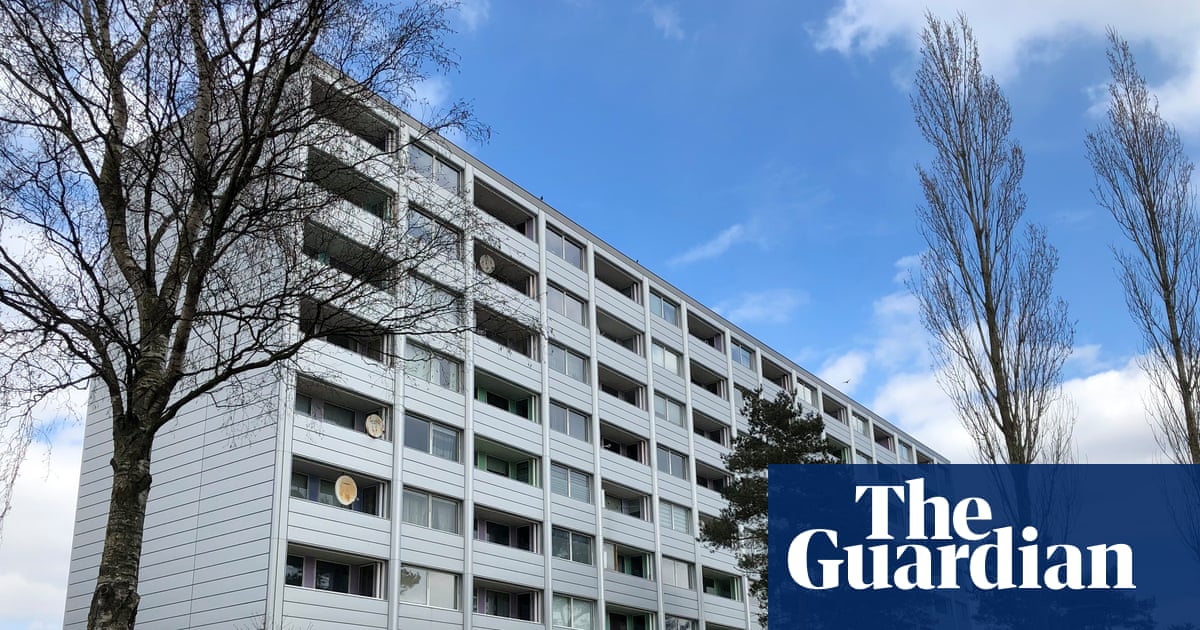
Denmark’s supreme court is hearing an appeal from residents evicted from Nøjsomhed-Sydvej in Helsingør under the country’s “parallel societies” legislation. The central question is whether the state’s “non-western” classification is covered by racial discrimination law.
The hearing is scheduled for Friday and Monday, with a ruling expected later this month. The law requires housing associations to cut non-profit housing by 40% by 2030, including through sales, demolitions or terminated leases.
Why it matters
This case could decide whether Denmark can use the “non-western” category to determine which neighbourhoods face forced redevelopment. The law applies where at least half of residents have a “non-western” background alongside conditions such as high unemployment or crime. Comparable socioeconomic problems elsewhere do not trigger the same measures.
That makes the legal wording more than a label. If the court links “non-western” background to ethnic origin, the Danish government may have to reconsider the category across its laws and policies. The European Court of Justice has already ruled that the legislation may be unlawful, while international rights bodies have criticised its discriminatory impact.
The immediate stakes are homes. Nøjsomhed-Sydvej residents could be allowed to return if they win, depending on how the ruling is put into practice. More than 1,000 people have already been forced to move under the law. For residents of Copenhagen’s Mjølnerparken estate, a return would be harder: the properties have been sold.
The ruling may therefore become a test of whether a government can describe a policy as socioeconomic while using an ethnic classification to decide which communities are dismantled. It could also shape the unresolved Mjølnerparken case, where residents have challenged the use of ethnicity to determine where they may live.
Comments
No comments yet.