What changed
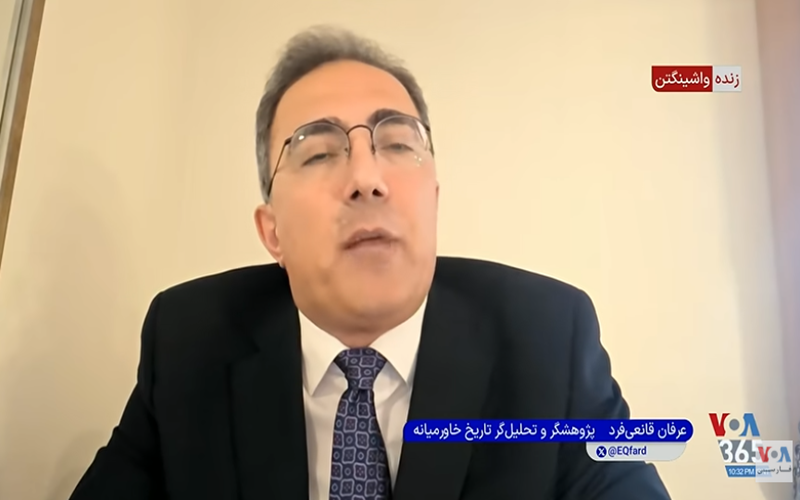
On 11 October 2026, Erfan Ghanei-Fard used Voice of America’s Meydan programme to defend former SAVAK official Parviz Sabeti, promote Reza Pahlavi’s proposed role in Iran’s political transition and attack rival opposition movements.
Ghanei-Fard dismissed former prisoners’ torture claims and called political opponents terrorists. Sabeti, who led SAVAK’s Third Directorate for internal security, is facing a US civil lawsuit brought by three former political prisoners. A federal court allowed that case to proceed beyond an early request for dismissal, though it has not decided liability.
Why it matters
This was more than a dispute over how to remember the Shah’s secret police. Ghanei-Fard’s comments put historical rehabilitation and present-day political competition in the same frame: defend Sabeti, discredit abuse claims and weaken alternatives to the monarchist current associated with Reza Pahlavi.
That makes the language around the lawsuit important. Ghanei-Fard’s claim that Sabeti prevented the execution of 75 students remains his assertion here, as does his branding of victims as terrorists. The court’s decision means the allegations were serious enough to continue in litigation; it is not a final judgment about what happened.
The sharpest dividing line is therefore accountability. One side of this argument treats SAVAK’s record as distorted and its former officials as unfairly condemned. The other insists that testimonies from political prisoners cannot be waved away with labels or sarcasm. How that conflict develops will help show whether the emerging political message is broad enough to include demands for reckoning, or narrow enough to make loyalty to a monarchist project the test of belonging.
Comments
No comments yet.