What changed
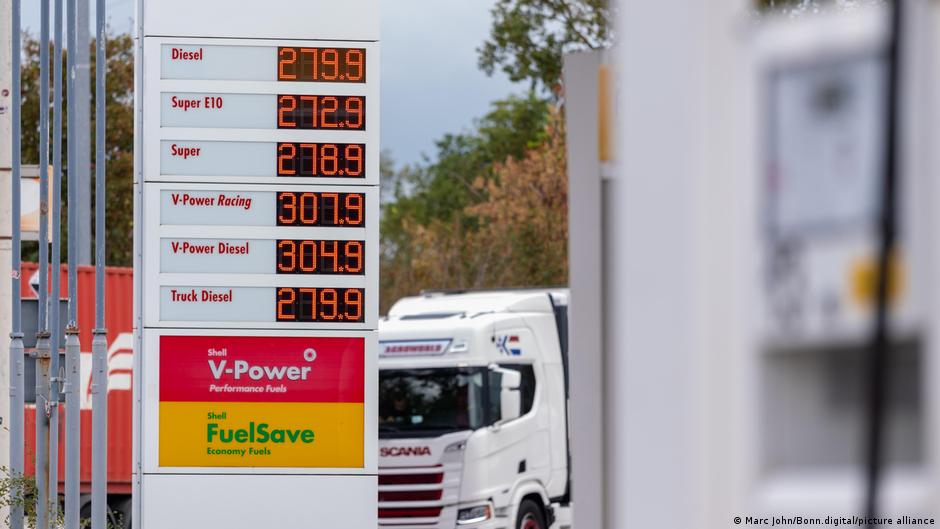
Diesel prices are surging as refinery disruptions, supply shortages and geopolitical tensions squeeze global supply. US diesel now averages $6.52 a gallon, up from $3.74 a year ago, while Russia has restricted exports and production is estimated to be nearly 30% below 2025 levels.
The United States is also considering a diesel export ban. That could tighten supplies in Europe, which imports diesel and has a particularly diesel-heavy vehicle fleet.
Why it matters
Diesel is the fuel beneath much of the economy: trucks, farms, construction equipment and factories depend on it. When diesel becomes more expensive, the cost of moving goods and running machinery rises, and businesses can pass those costs on through higher prices.
Europe is exposed because more than 38% of its passenger cars run on diesel, while road transport accounts for 77% of EU diesel and gas-oil consumption. The region is structurally short of diesel and must import it, even as it exports gasoline.
The US export-ban proposal is therefore more than a domestic fuel-policy question. If Washington restricts exports, European buyers could face an even tighter market. Whether the move would help American drivers is uncertain: industry experts cited in the reporting warn that it could instead reduce refining, push prices higher, or do both.
Comments
No comments yet.