What changed
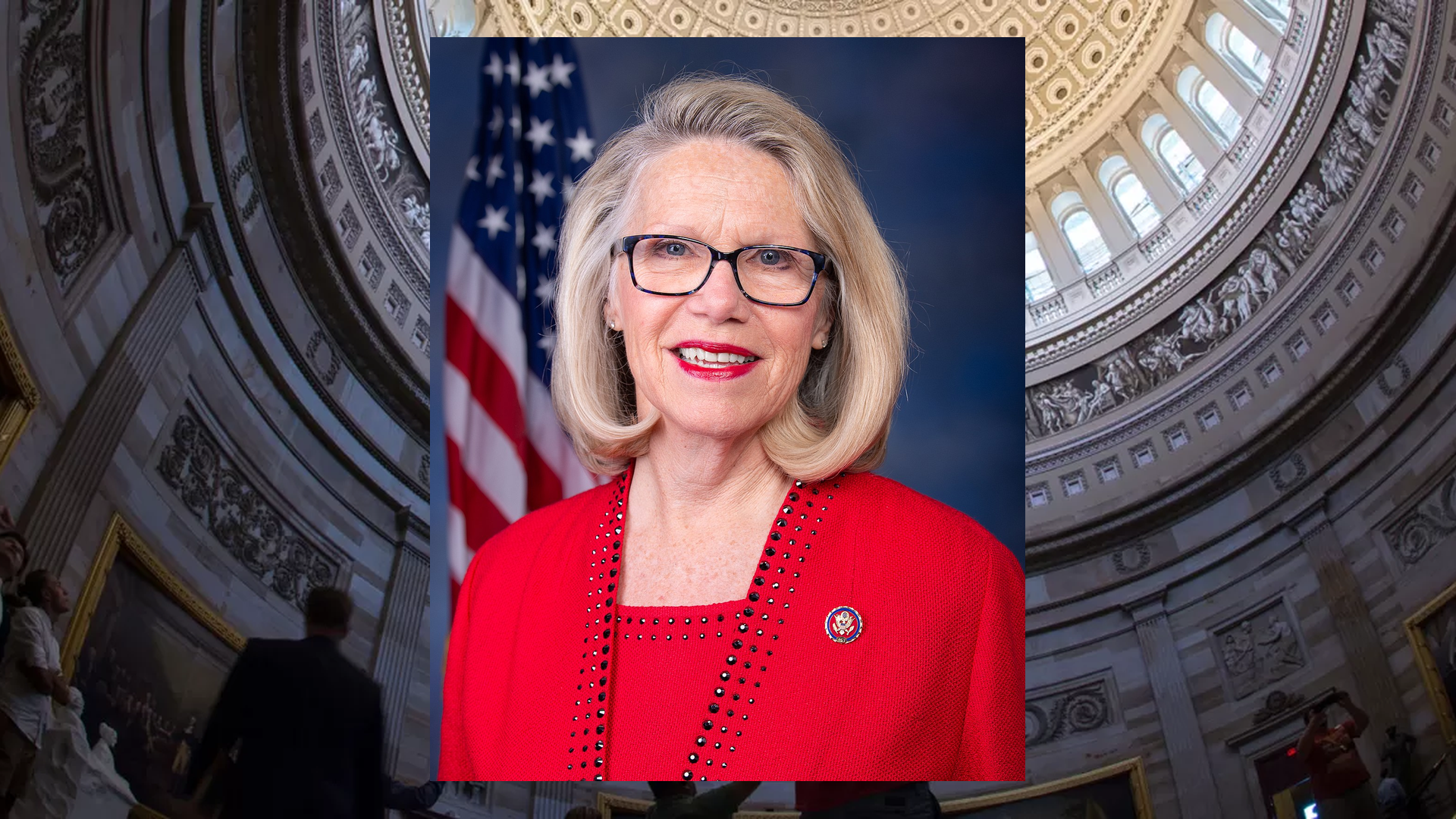
Based on reporting by Quiver Quantitative, Rep. Carol Miller joined a hearing on U.S. access to critical resources in Central Asia and Africa. She argued for diversifying mineral supply chains and introduced legislation with Rep. Panetta to lift Jackson-Vanik restrictions for Central Asian nations.
Why This Matters
Our view: this is an early policy signal, not a new supply chain. But for founders and operators buying inputs, planning factories or managing cross-border contracts, it is a reminder that mineral sourcing is becoming a trade-policy question before it becomes a procurement option.
The practical decision is whether your supply plan has room for political friction. Miller’s proposal points toward a future in which U.S. trade ties with Central Asia could become easier, while the hearing’s focus on Africa shows that alternative sourcing conversations are widening. That may eventually create more routes to essential materials. It also means a supplier map that looks tidy today can be redrawn by legislation, diplomacy and reform conditions.
Uncertainty is substantial: the report describes a hearing and proposed legislation, not enacted policy, commercial agreements or new mineral output.
The last time this happened
In our own earlier reporting, we covered how the US-Canada trade war is being felt on both sides of the border in late August. Its headline alone makes the useful point here: supply chains do not stay safely in the policy column. When trade rules change, they show up in the day-to-day movement of goods.
That is the lens for this hearing. Diversification can reduce one kind of dependence, but every new trade corridor brings its own rules, negotiations and operational seams.
What to watch next
- Whether Miller’s Jackson-Vanik legislation gains bipartisan support or advances through Congress. Progress would make the trade opening more concrete; stagnation would leave it as a political intention.
- Whether U.S. officials announce specific trade or investment steps involving Central Asian countries. That would move the story closer to something procurement teams can plan around.
- Whether partnerships in Central Asia address the political and human-rights challenges noted in the report. Improvement could strengthen the case for deeper commercial ties; failure could limit it.
Comments
No comments yet.