What changed
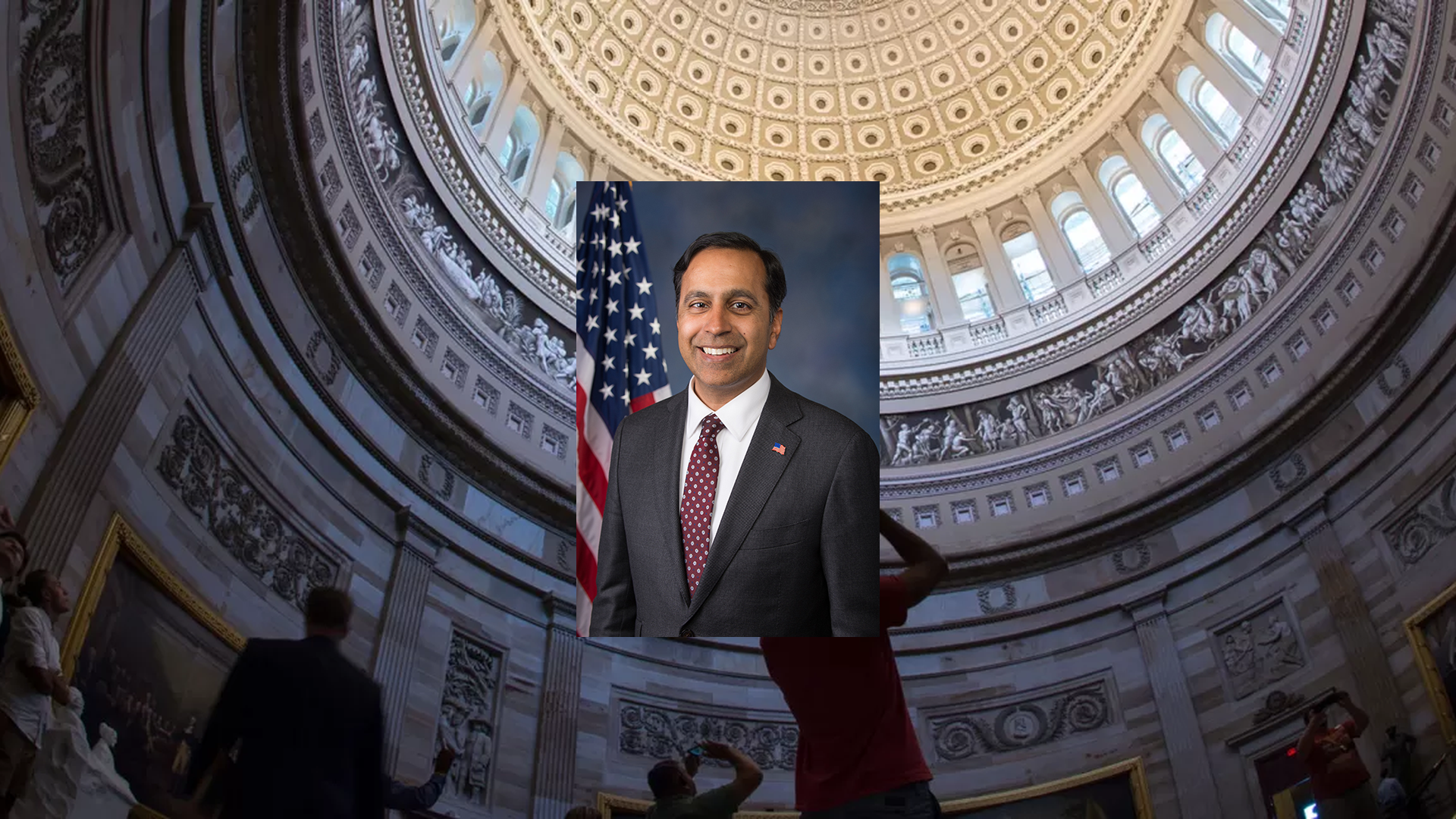
Thirty U.S. lawmakers, led by Representatives Raja Krishnamoorthi, Ro Khanna and Suhas Subramanyam, urged Secretary of State Marco Rubio to expand the U.S. response to Nepal’s flash floods, including search-and-rescue support for Americans and others affected. Their letter cited more than 1,300 deaths, at least 4,000 people missing and at least 75 affected U.S. citizens. Quiver Quantitative
The lawmakers welcomed aid already being provided but requested daily updates, deployment of a Disaster Assistance Response Team, expanded search tools and additional reconstruction support. None of those measures has been confirmed. Quiver Quantitative
Why it matters
The request puts the State Department under near-term pressure to decide whether its existing assistance is sufficient. If it expands search coordination and communications, affected U.S. citizens and their families could gain quicker access to information and assistance pathways. If additional tools or personnel are deployed and integrated with local operations, Nepal’s flood-response authorities could gain added rescue capacity.
Reconstruction aid would have a longer path: if approved, it could broaden recovery resources for flood-affected Nepalese households over the next six to 12 months. The amount, timing and funding source of any expansion remain unknown.
Impact assessment
For the State Department, the immediate choice is whether to add personnel, search capability, daily communications and recovery assistance beyond current aid.
For affected U.S. citizens, a defined update process and expanded coordination could improve access to information within days. For Nepal’s response authorities, additional U.S. search tools or a Disaster Assistance Response Team could supplement operations over coming weeks, but only if approved and coordinated locally. For flood-affected households, later reconstruction assistance could improve recovery options; without a commitment, no such resources are assured.
Scenarios
Our outlook (informed speculation):
Most likely
If the State Department reviews the request but does not immediately approve the full package, it is likely to continue existing aid with limited added coordination or information-sharing over days to weeks. Affected U.S. citizens would see changes first through official contact channels, while broader reconstruction support would remain uncommitted. This baseline follows from the confirmed existence of current aid and the absence of a reported decision on the lawmakers’ requests. Limited new coordination would reinforce it; a Disaster Assistance Response Team deployment or defined reconstruction package would overturn it.
Upside
If the department approves a Disaster Assistance Response Team and expanded search tools, Nepal’s response authorities could gain additional rescue-coordination capacity within weeks. If reconstruction support follows, affected households could receive a clearer recovery resource channel over six to 12 months. Announcements of deployed personnel, new search support or identified reconstruction resources would support this outcome.
Downside
If the department concludes existing assistance is adequate and declines the requested measures, no material U.S. expansion would occur in the coming days or weeks. Nepal’s response authorities would remain without the additional U.S. search capacity sought in the letter, and affected U.S. citizens would rely on existing arrangements. A decision against a response-team deployment, no daily-update process, or confirmation that aid will remain unchanged would point to this path.
What to watch next
- Whether the State Department announces a Disaster Assistance Response Team, expanded search tools, reconstruction support or daily updates.
- Whether officials establish additional communication or assistance pathways for affected U.S. citizens.
- Whether U.S. officials identify new reconstruction resources and delivery arrangements for Nepal.
Comments
No comments yet.