What changed
France is facing a nationwide strike and protest day on 5 November, with five unions joining forces across the public and private sectors. More than 250 actions are planned, and authorities expect 500,000 to 700,000 demonstrators.
The mobilisation began with high-school protests over poor conditions and resources. It has now widened to workers and the revived yellow-vest movement, with demands for higher wages and protected public services.
Why it matters
This is already affecting daily infrastructure. Some schools, hospitals, public transport and nuclear plants are disrupted, while workers have been asked to halt production at oil refineries. France expects to import more electricity than it produces on Thursday.
The pressure is focused partly on pay. The minimum wage is currently €12.31 an hour, while unions are demanding a net increase of €100 a month. The government has responded by releasing 10 million barrels of diesel from strategic reserves and promising to reform the university admissions platform Parcoursup, eventually replacing it by 2028.
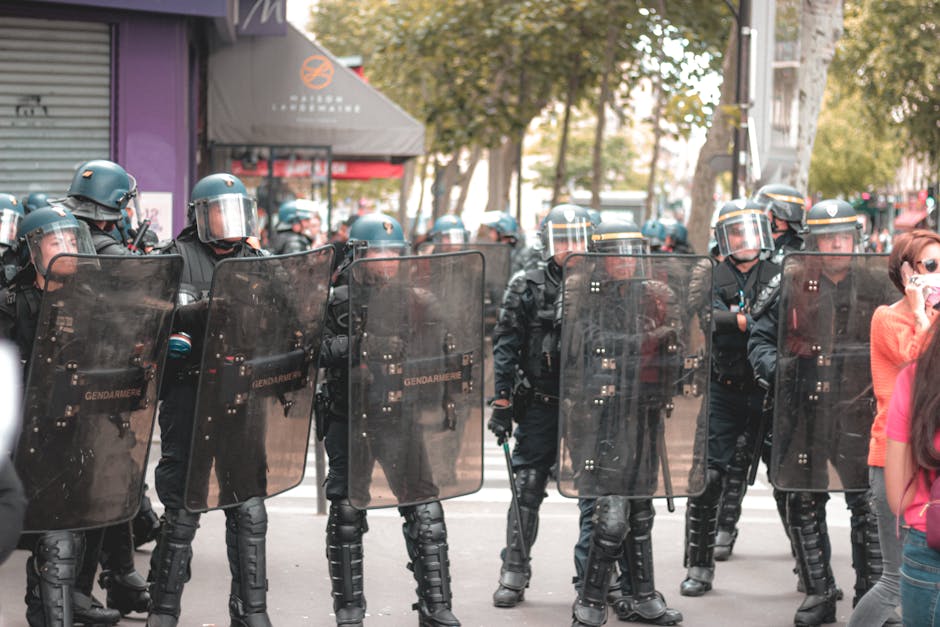
The state is preparing for a major security operation, with 70,000 police and gendarmes deployed. In Paris, protesters will march through the centre, but not along the union-proposed route near the National Assembly, the Élysée Palace and the prime minister’s residence.
The next test is whether Thursday produces enough disruption to force concessions. Final turnout, the length of the strikes and any government response remain uncertain. The yellow-vest movement has already called for more blockades and protests on 6 and 7 November.
Comments
No comments yet.