What changed
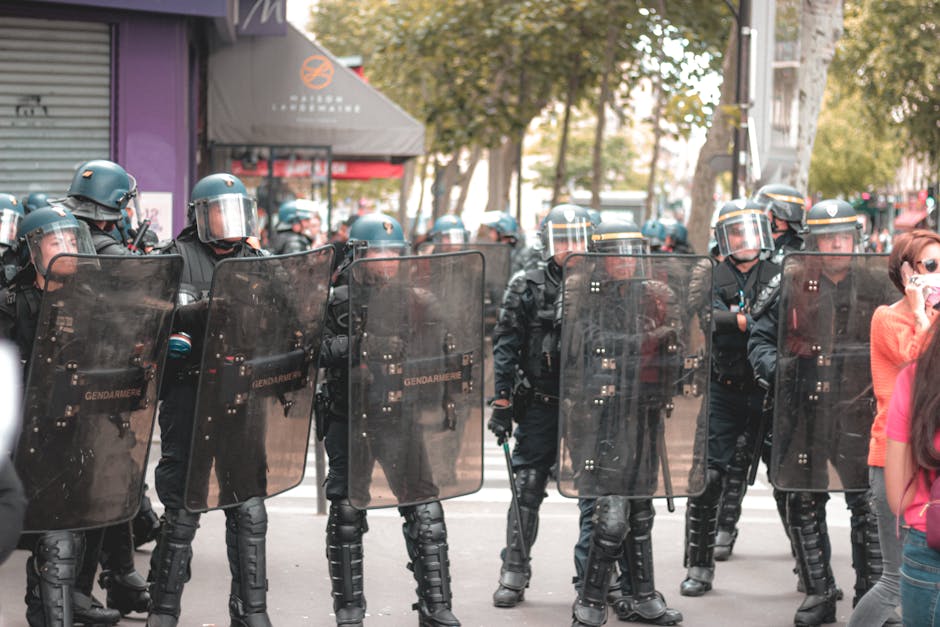
France is preparing for nationwide protests on Saturday, one week after riots and looting shook the country. Authorities plan to deploy 70,000 police officers, while several cities have banned gatherings and hundreds of people have been jailed after fast-track hearings for vandalism, arson and looting.
Student groups, trade unions and wider anti-government organisers have planned hundreds of demonstrations. A yellow-vest-linked website lists more than 500 protests and about 200 other actions, while Paris has restricted the student march to a route outside the city centre.
Why it matters
France is entering Saturday with two systems operating at once: a national security operation and a patchwork of local protest rules. Some mayors have imposed blanket bans, while others allow demonstrations registered with authorities. Marseille reversed an order banning all protests so a trade-union march could proceed.
The disruption is already visible. The Louvre, Orsay and Picasso museums will close, a scheduled PSG match has moved to Monday, and businesses have boarded up windows. Those precautions show how last week’s violence has changed the practical meaning of a protest day, even before anyone gathers.
The central question is whether the movement can remain a broad political mobilisation or whether unrest again overwhelms it. Attendance and the level of violence remain unknown, and enforcement will vary sharply from one city to another. Macron’s meeting with high-school representatives produced commitments they welcomed, but student leaders still urged continued mobilisation.
Comments
No comments yet.