What changed
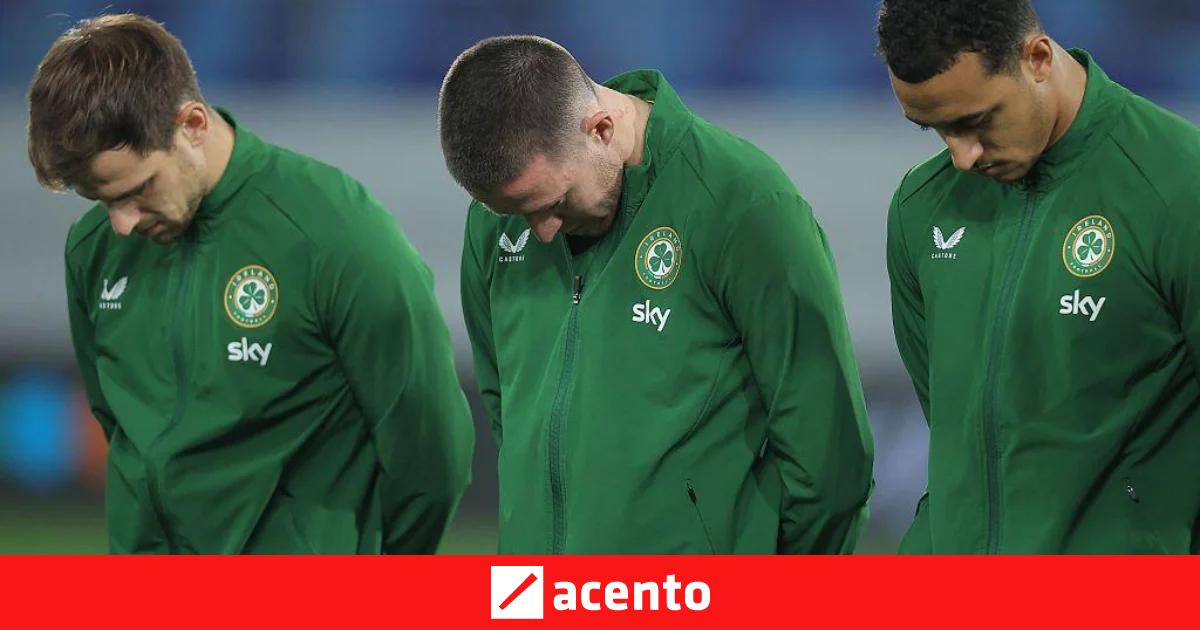
Ireland has turned its criticism of Israel’s war in Gaza into both a political position and a public expression of solidarity. On 4 October, Ireland’s national football team wore black armbands before playing Israel, and in January 2025 Ireland joined South Africa’s genocide case against Israel at the International Court of Justice.
The stance reflects unusually strong concern at home. A study of about 1,500 people found that roughly 76% said the conflict mattered to them a great deal or a fair amount.
Why it matters
Ireland’s position is not confined to government statements. It is visible in sport, public opinion and international law, giving the dispute several channels at once.
The football protest made that tension highly visible. The team said the armbands recognised lives lost in Gaza, while the match itself became a setting for a diplomatic conflict neither side could keep off the pitch.
Ireland’s legal intervention also gives its criticism a formal international route. Joining South Africa’s case places the country inside proceedings that could shape how Israel’s conduct is examined, even though the longer-term effect on diplomatic or sporting decisions remains uncertain.
The depth of public concern helps explain why the issue has remained politically potent. In 2023, an Israeli minister’s comment that Palestinians could go to Ireland or the deserts drew particular attention in a country already showing unusually strong sympathy for Palestinians. The same minister also described a nuclear strike on Gaza as an option, remarks that were condemned, including by Israel’s prime minister Benjamin Netanyahu.
More than 73,000 people have died in Gaza, according to the territory’s Hamas-administered Health Ministry, whose figures the UN considers reliable. That toll, alongside Ireland’s unusually high level of public engagement, has made the country’s criticism more than a government line: it has become part of Ireland’s public identity in this war.
Comments
No comments yet.