What changed
Spain’s transport minister, Óscar Puente, said Friday he will not resign after Wednesday’s high-speed rail collision near Urda, Toledo, killed at least 69 people.
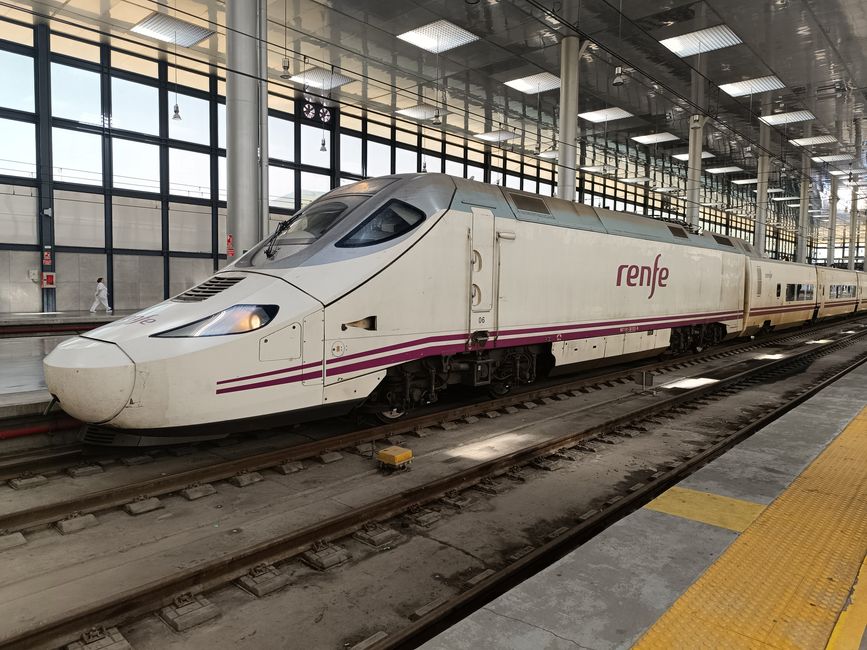
Puente said his priority was establishing responsibility. The collision involved a state-operated Renfe train travelling between 160km/h and 200km/h and a stationary Iryo train on the Madrid-Seville route. A computer failure had halted six trains beforehand.
Why it matters
This is now a test of whether Spain’s government can restore confidence in a rail system the prime minister says has suffered a breakdown in public trust.
Puente is resisting resignation calls from political rivals, a trade union and demonstrators. His argument is that leaving office would distract from finding out what happened. That puts the investigation at the centre of the political fight.
The key questions remain open. Investigators must determine how the computer failure, train movements and any possible human error fit together. The final allocation of responsibility has not been established.
The pressure is sharper because another collision on the same Madrid-Seville route killed 46 people in January. Spain is observing three days of national mourning while families wait for answers.
Comments
No comments yet.