What changed
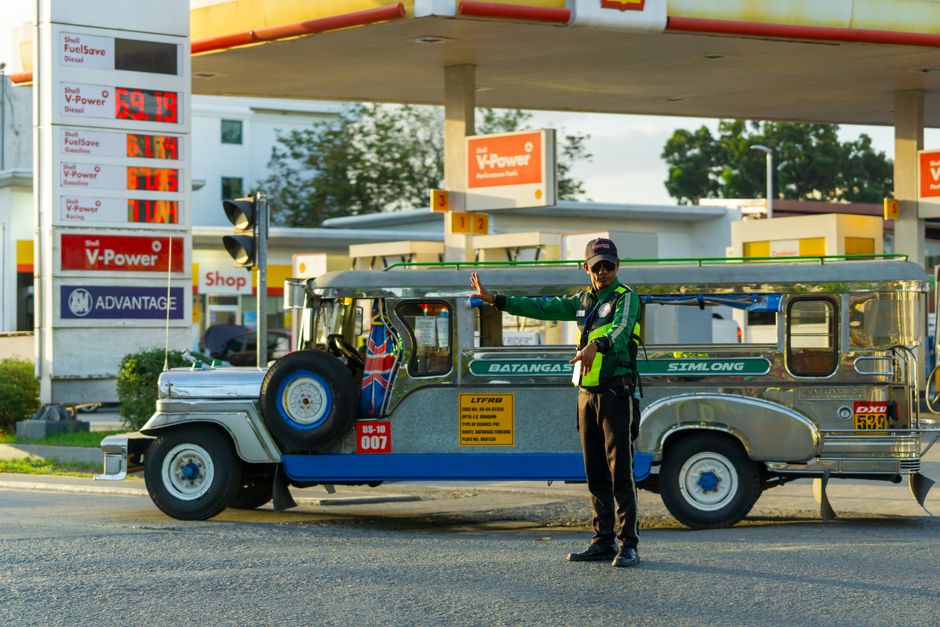
Thousands of informal public-transport drivers stopped work in Manila over rising fuel prices. Organised by the transport workers’ union Piston, the two-day strike began Tuesday, prompting the Philippine government to deploy police officers and buses for stranded commuters.
Why it matters
This turned a price squeeze into a citywide transport problem. When drivers stop operating, commuters lose a basic way to get around, and the government has to fill the gap directly with buses and police support.
The immediate pressure is on Manila’s streets, but the political pressure is on both sides. Drivers are using their absence from the network to show how exposed public transport is to fuel costs. Authorities now have to keep commuters moving while the strike runs, without any reported negotiations or concessions yet.
The next question is simple: does the two-day stoppage end as scheduled, or does the disruption become a longer contest over fuel prices and government action?
Comments
No comments yet.