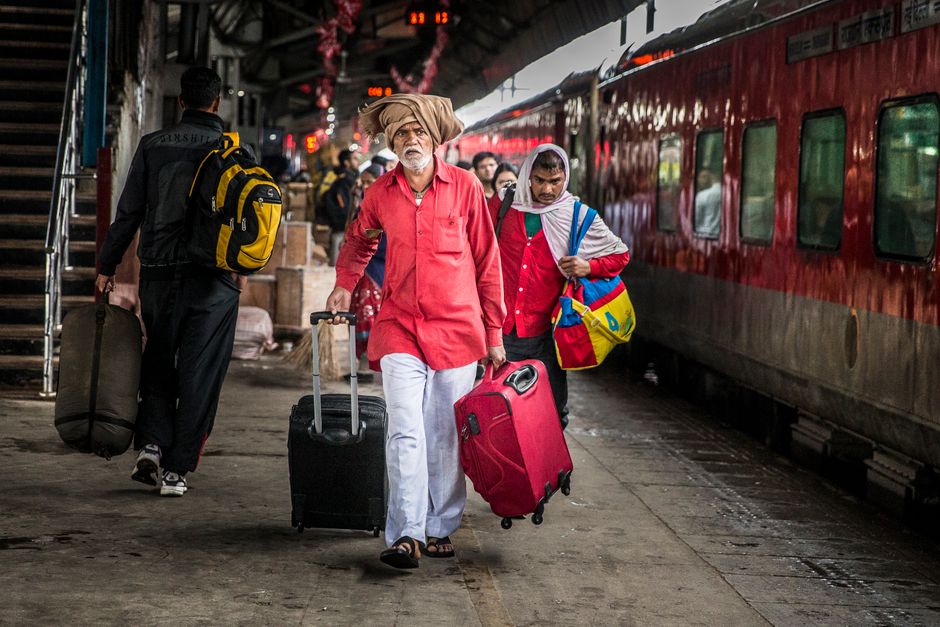
A train booked around Saturday at three can become useless when the Premier League moves the fixture for live television. Check the revised date and kickoff time before committing to fixed travel, then confirm every booking still leaves enough room for the journey home.
In April 1970, Apollo 13 was already on its way to the Moon when an oxygen tank exploded. Jim Lovell, Jack Swigert and Fred Haise were suddenly following a mission plan that no longer matched reality.
The landing was abandoned. NASA’s flight controllers had to work out how to bring the crew home with a damaged spacecraft, limited power and rising carbon dioxide. The mission changed, so every decision built around the original plan had to change with it.
A Premier League fixture revision carries far smaller stakes, but the planning problem has the same shape. The first schedule creates confidence. You book around it. Then new information arrives, and the original plan becomes a risk rather than a guide.
The first kickoff time may be provisional
Saturday at three feels definite enough to build a day around. You picture the train in, the walk to the ground, the match, and the return journey with time to spare.
Then live-broadcast selections arrive.
The Premier League has listed revised dates and kickoff times for Matchweeks 2 to 5 following UK television selections for August and September. A match can move to another time or another day. The train reservation stays exactly where it was.
That mismatch matters most when the fare cannot be changed cheaply, the last practical return leaves too soon, or an overnight stay suddenly enters the calculation. The supporter has paid for certainty that the fixture list did not yet provide.
Treat an early fixture listing as the current plan, especially when broadcast selections remain outstanding. A calendar entry can look settled while one important decision still sits elsewhere.
Build the journey around confirmed information
Start with the competition’s revised fixture listing. Then check the club’s own channels and the named outlet carrying any further report. Look for the date, kickoff time and source together.
Sports News puts Premier League, Champions League and transfer stories first, with the outlet shown on every story. That source chip matters when a fixture change appears between unrelated rumours, reactions and recycled posts. You can see who reported the change before rebuilding the day around it.
This is the same discipline behind keeping the source attached to every football headline. Attribution gives you somewhere to check. It also helps separate a confirmed revision from a screenshot that has lost its context.
Once the fixture is confirmed, work backwards from kickoff and forwards from the likely final whistle. Allow time for leaving the ground, reaching the station and dealing with ordinary matchday crowds. Check the fare conditions before paying. A flexible ticket may cost more, but compare that difference with the cost of replacing a fixed ticket or adding accommodation.
If you have already booked, read the operator’s change and refund terms before buying anything else. One careful check can prevent two overlapping return tickets.
Keep the source beside the change
Fixture updates often reach supporters through group chats. Someone posts a cropped graphic. Another person says television has moved the game. A third starts discussing trains.
The quickest useful reply is simple: which source confirms it?
The outlet name should travel with the claim. “Moved to Sunday” gives the group a conclusion. “The Premier League lists it for Sunday” gives everyone a checkable basis for changing plans.
That distinction protects more than the cost of a journey. It stops one supporter’s confident rewrite from becoming the group’s working fact. The same habit helps with draw updates, qualification scenarios and transfer reports. Amir’s check before sharing a UEFA draw update follows the same rule: confirm the source before the chat builds consequences around the claim.
Short updates should preserve the detail that carries trust. Keep the named outlet on screen. Keep the exact reported wording where possible. Avoid adding certainty the source did not provide.
Revise the plan before the plan traps you
Apollo 13 returned safely because NASA stopped treating the original mission as the plan to preserve. Lovell, Swigert, Haise and the teams on the ground worked from the spacecraft they still had and the conditions they now faced. NASA’s account of the mission documents both the crisis and the improvised carbon dioxide removal solution.
The practical lesson for match travel is direct. Once the fixture changes, stop measuring the new schedule against what Saturday at three was supposed to look like. Rebuild the journey from the confirmed kickoff.
Check the fixture again before the ticket’s change window closes. Save the source with the booking details. If the return now looks tight, change it while options remain instead of hoping the match, crowd and journey all run perfectly.
The old train reservation records the first plan. The revised fixture decides which train you actually need.
Comments
No comments yet.