What changed
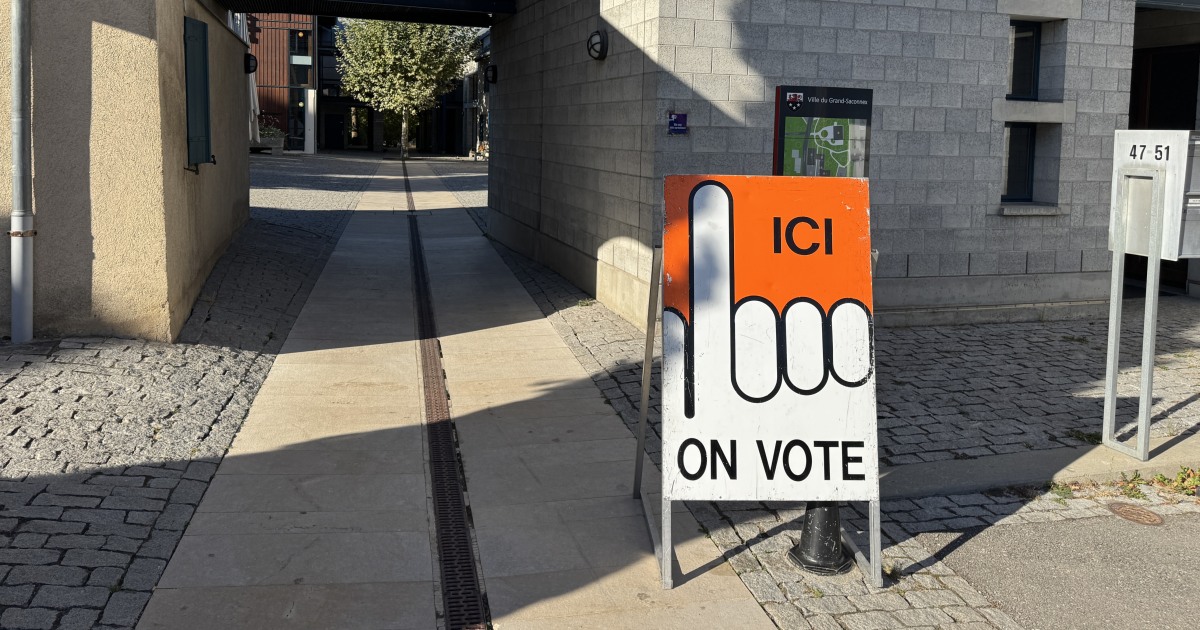
Swiss voters are projected to reject a constitutional amendment that would have legally restricted their country's ability to impose unilateral economic sanctions and cooperate with NATO. State broadcaster SRF reports that more than two-thirds of voters opposed the proposal, ending a push by the right-wing Swiss People's Party (SVP) to codify a stricter definition of neutrality. The SVP argued that Switzerland's traditional position had eroded after Bern sanctioned Russia following its invasion of Ukraine, but the measure failed to gain enough support to change the constitution.
Why it matters
The rejection keeps Swiss foreign policy flexible rather than legally bound, preserving the government's current ability to align with international security frameworks. For NATO, the outcome prevents a sudden withdrawal of Swiss personnel from joint training and cooperation, maintaining a stable security posture in Europe. The decision also safeguards the Swiss defense industry's participation in allied defense programs and long-term contracts, which would have been at risk if the country were constitutionally barred from joining or cooperating with military alliances unless attacked.
This result reflects a domestic preference for "active neutrality," where the government exercises discretion in implementing neutrality rather than being bound by strict constitutional limits. Foreign Minister Ignazio Cassis warned that the proposal would have harmed national security by preventing Switzerland from training with NATO, a concern that evidently resonated with voters. The rejection allows Switzerland to continue imposing UN-approved and unilateral sanctions while expanding practical cooperation with European and North American allies, keeping its diplomatic and economic leverage intact.
The most likely path forward sees Switzerland maintaining its current strategic posture, continuing to engage in sanctions and NATO cooperation without constitutional constraints. If the government successfully frames this vote as a mandate for proactive engagement, Switzerland’s role in European conflict resolution could strengthen, potentially leading to increased defense procurement from allied nations. However, if the Swiss Federal Council fails to maintain a consistent foreign policy narrative, internal political polarization could intensify as the SVP attempts to bypass the constitutional rejection through executive pressure or legislative votes to override sanctions decisions.
What to watch next
The official Swiss federal data release of the final vote count and referendum margin is expected within the next week, which will confirm the projected outcome. Following this, policy statements from the Swiss Federal Council are anticipated to explicitly reaffirm the continuation of existing sanctions and NATO cooperation frameworks, providing a clear directive for the country's ongoing diplomatic and security engagements.
Comments
No comments yet.