What changed
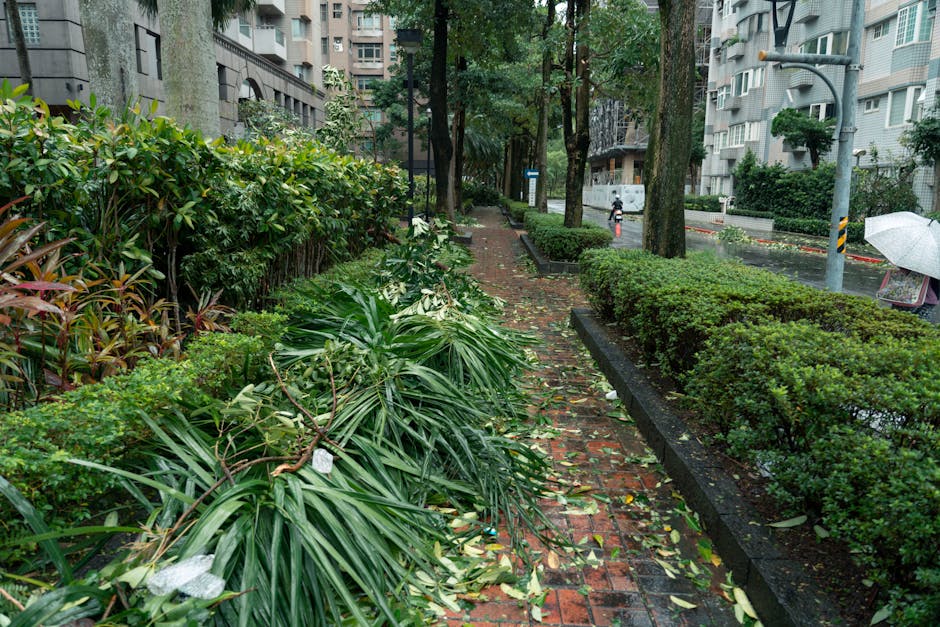
Typhoon Champi brought East Asian travel and daily life to a halt Friday as it passed close to Taiwan’s north-east coast. Hundreds of flights were cancelled, schools and offices shut across nearly all of Taiwan’s 22 counties and cities, and the Taiwan Stock Exchange closed.
One person died after being swept away by waves, 171 people were injured and 1,000 evacuated. Champi was producing wind gusts of 191km/h, with up to 90cm of rain forecast in north-east Taiwan through Saturday.
Why it matters
This is no longer just a storm approaching an island. It is a regional disruption moving through transport links, workplaces, markets and power networks at once.
Taiwan’s authorities have told people to avoid coasts and mountains while the heaviest rain is expected Saturday morning and into the evening. In southern Japan’s Okinawa prefecture, nearly 8,400 households lost power and more than 160 flights were cancelled. The Philippine island chain of Batanes also reported heavy rain, powerful waves and closed roads.
The key uncertainty is whether Champi makes landfall. Forecast agencies expect the eye to pass without doing so, but the storm could still change course if it stalls, loops or wobbles. If that happens, the danger is not only stronger wind: prolonged rain would extend closures, evacuation pressure and travel disruption.
Champi reached maximum sustained winds of 298km/h earlier this week, equivalent to a Category 5 hurricane, before weakening over the sea. It is expected to move toward China’s eastern coast and then Japan. Its arrival during an unusually strong El Niño also places it within a notably active typhoon season: Japan has recorded 30 typhoons this year, the first time it has reached that number since 2013.
Comments
No comments yet.