What changed
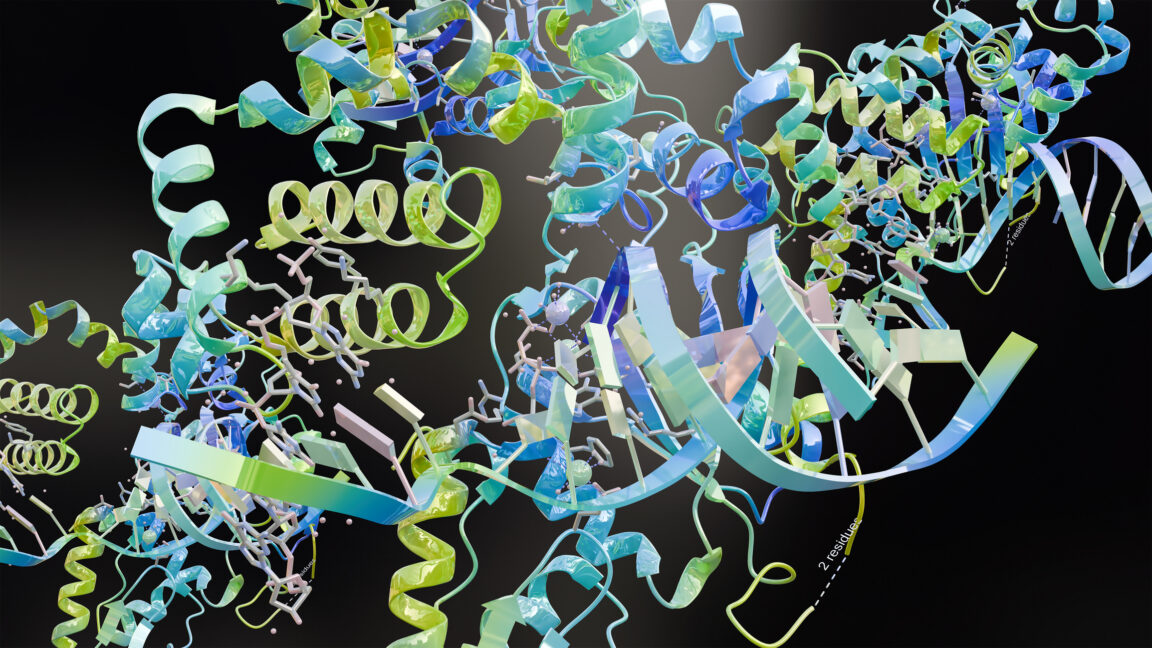
Google DeepMind published a protein-watermarking system on September 30, 2026. Based on SynthID, it is designed to embed an identifiable signal in AI-generated protein sequences without impairing their function.
The aim is straightforward: proteins created by trusted researchers could carry a hidden marker, while unfamiliar sequences would receive closer scrutiny.
Why it matters
AI protein-design tools can produce useful enzymes, but the same capability could also help create toxins or alter viral proteins. Existing sequence-screening systems may miss these designs because novel AI-generated proteins have not been characterized well enough to flag as threats.
Watermarking could add a provenance layer to that screening process. It would not determine whether a protein is safe by itself. It could help distinguish a sequence made through a trusted design process from one that arrives without a recognizable origin.
That is technically difficult. Proteins use only 20 amino acids, and some positions are crucial to their structure or activity. A 500-amino-acid protein also offers far less room for a hidden signal than a digital image offers for a watermark. The system therefore has to hide its mark in a very small, chemically constrained space.
The useful question now is whether the marker survives real-world redesign or synthesis. The published account provides no performance results or evidence that the system has been deployed, so this is a promising control for AI-biosecurity workflows, not yet a proven safeguard.
Comments
No comments yet.