What changed
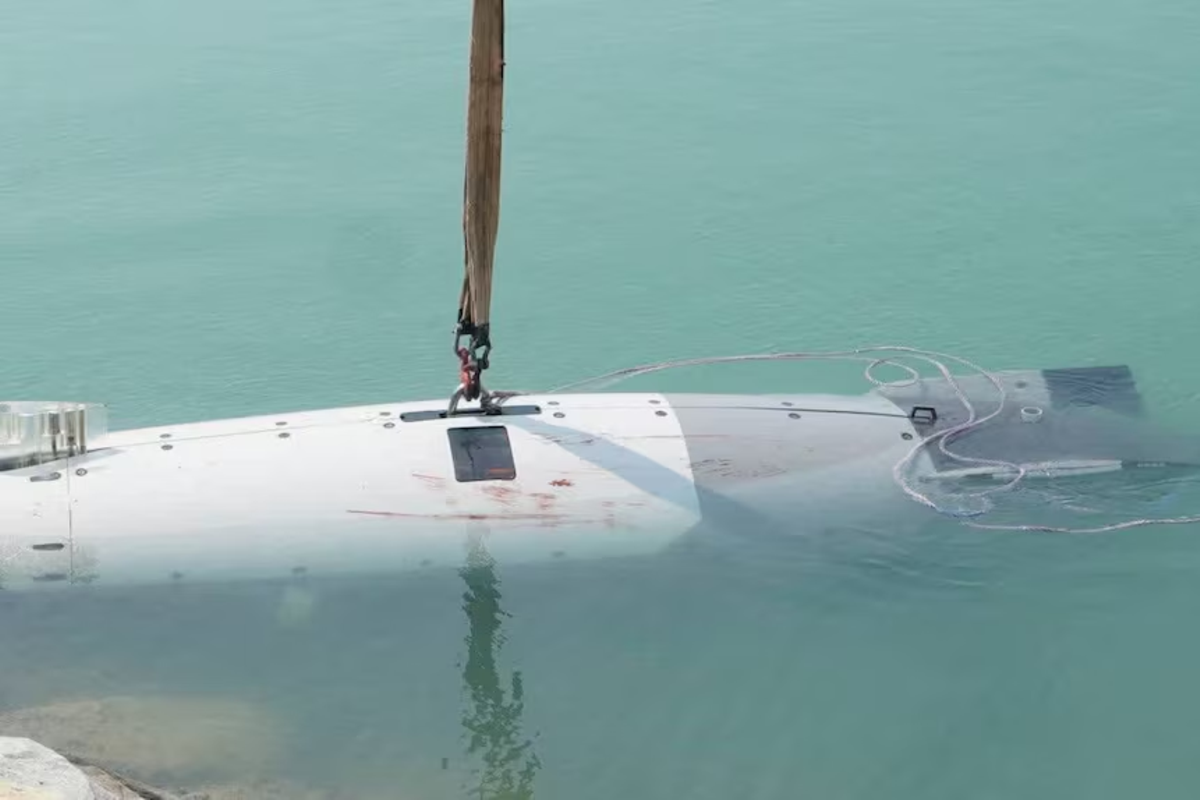
Based on The Citizen Tanzania’s Reuters report, Iran’s Revolutionary Guards say they captured a 19-foot Anduril Dive-LD uncrewed submarine at the Strait of Hormuz entrance after it malfunctioned; the Pentagon says it was an older model surveying regional waters and carried no sensitive data or classified sonar or radar equipment. Anduril confirmed the loss of the vessel, a system designed to operate up to 10 days and dive to 6,000 metres, calling it attritable: built for missions where losing the machine is an expected risk.
Why This Matters
This is the hard edge of the “cheap, autonomous, expendable” pitch. A drone can keep sailors out of danger, but it cannot make a malfunction disappear or prevent an adversary from recovering the hardware. The product question is no longer simply whether autonomy works underwater. It is whether recovery plans, operating rules and replacement capacity work when it does not.
Dive-LD’s stated jobs include seabed mapping, mine countermeasures and inspecting cables and pipelines. If operators pause, reroute or tighten recovery controls for similar missions, regional underwater-inspection capacity could shrink in the near term. If this proves isolated, the opposite lesson may prevail: expendable systems become more attractive precisely because a lost vehicle does not mean lost personnel.
Our outlook (informed speculation): U.S. operators and Anduril are likely to treat this as an attritable-system loss while examining the reported malfunction. Comparable missions could continue, but with more attention to how vehicles are recovered and where their operational risk is acceptable.
The historical parallel
In 2016, China seized a U.S. unmanned oceanographic glider near the Philippines while a U.S. ship was recovering it, according to The Guardian’s reporting. The structural resemblance is clear: a U.S. underwater drone in a sensitive waterway, an adversary claiming custody, and a dispute centered on recovery, intelligence exposure and escalation without reported danger to U.S. personnel.
China returned that glider on December 19 after military-channel discussions and a U.S. diplomatic complaint, CBS News reported. This case differs materially: the reported Dive-LD is larger, has different capabilities, and was reportedly lost more than a day before Iran’s claim amid active regional conflict. The useful precedent is the route through military and diplomatic handling; what to watch is whether any such channel emerges here, not an assumed return.
How the effects could spread
A lost vehicle may prompt naval operators to review whether its malfunction reflects a repeatable risk. If that leads to tighter recovery rules, rerouted missions or a pause for comparable systems, work such as seabed mapping and infrastructure inspection could temporarily have less available autonomous capacity.
That chain breaks if the malfunction is isolated or other vehicles and methods can take over. But for Anduril, the incident puts its attritable design claim under a bright light: buyers may accept vehicle loss in dangerous waters while scrutinising reliability, recovery practice and any evidence of technical compromise.
Impact assessment
U.S. naval operators face the immediate operational question: whether one reported malfunction changes the assumptions behind regional underwater missions. That assessment could affect deployment and recovery decisions within days.
Anduril has a mixed outcome over coming weeks. Its product thesis anticipates loss, yet customers may still demand reassurance that losing a vehicle is an absorbed mission cost, not a security or reliability problem.
Regional users of underwater-inspection missions could also feel the second-order effect. If comparable Dive-LD work is constrained, access to one tool for cable, pipeline and seabed tasks may narrow until missions resume or alternatives fill the gap.
Scenarios
Most likely: If the Pentagon’s account holds that this was an older defective model without sensitive data, operators could continue comparable missions after an operational review, with tighter attention to recovery and deployment risk over the coming weeks. Continued use or replacement of Dive-LD-class systems would support that path; a broad suspension would weaken it.
Upside: If the loss remains isolated and no consequential compromise is confirmed, attritable underwater systems could gain appeal over the next 6–12 months for dangerous surveying work that would otherwise expose sailors. Confirmed replacement, procurement or expanded deployment would show the model has absorbed the incident as intended.
Downside: If investigators find a repeatable vulnerability or adversaries begin targeting similar vehicles, operators could shift resources to more protected recovery methods or alternative surveillance and inspection tools. That would reduce near-term availability for mapping and infrastructure work, unless comparable missions continue without changed procedures.
What to watch next
- Confirmation of the vehicle’s condition, location and custody from Iran’s Revolutionary Guards Navy or the Pentagon.
- Any Pentagon change to deployment, recovery, replacement or mission procedures for comparable underwater drones.
- Evidence that U.S. and Iranian authorities are using military or diplomatic channels to determine the vessel’s disposition.
Comments
No comments yet.