What changed
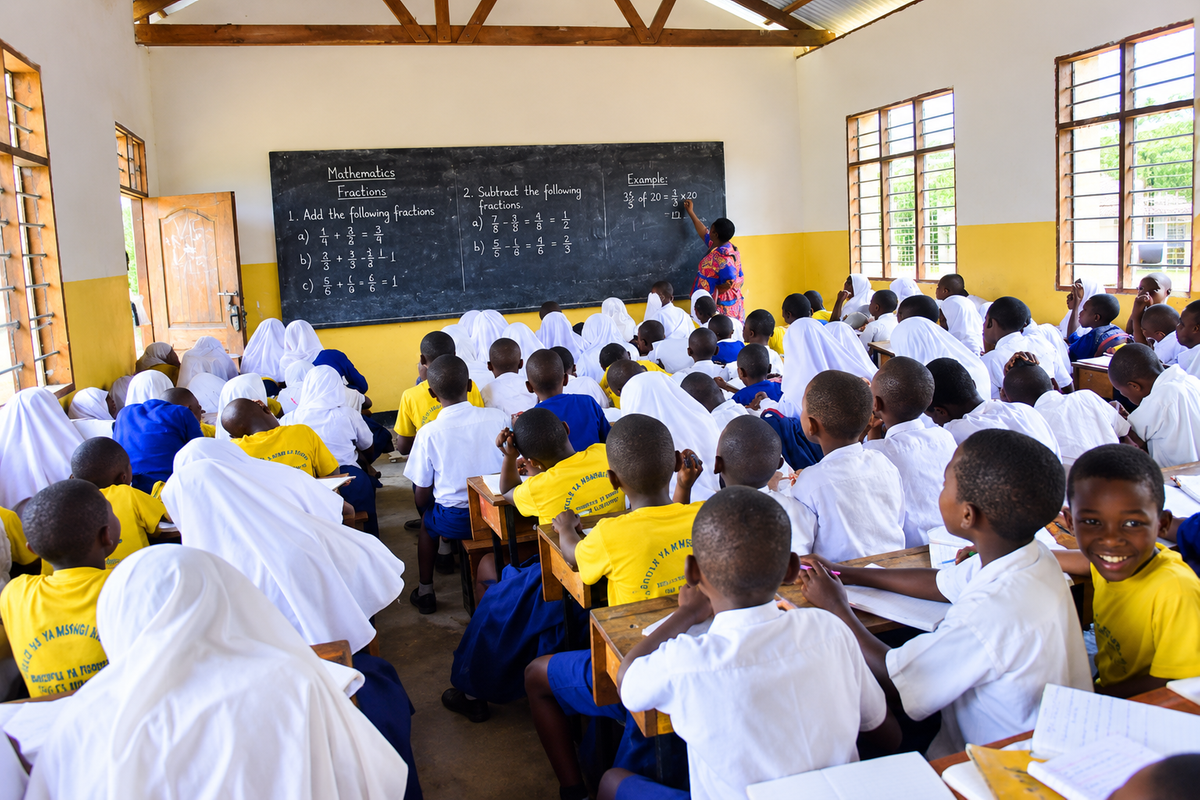
Based on reporting by The Citizen Tanzania, Tanzania expects 3,021,177 pupils to seek Form One places in 2028, when pupils completing both the new six-year and former seven-year primary cycles advance together. Prime Minister Mwigulu Nchemba says preparation requires Sh1.77 trillion, including 23,226 classrooms, 46,632 toilets, 9,366 laboratories and 40,192 teachers; the Education Ministry is inviting private participation through a PPP framework.
Why This Matters
This is a capacity problem with a very human deadline. A school place is not a cloud service that can absorb demand overnight: it needs land, buildings, sanitation, staff and operating money in the right place before pupils arrive.
For builders of education technology, the opportunity is less about a shiny new app than the unglamorous work of helping a strained system operate. If new classrooms arrive without teachers, or teachers arrive without usable facilities, the bottleneck simply moves. Tools that help schools plan admissions, deploy staff, manage facilities or support larger classes could become more relevant, but only where they fit the basic reality of available schools and educators.
Our outlook (informed speculation): public construction and private participation will likely both advance, while the race will be won or lost in delivery. If funding, buildings and teacher recruitment do not move together, access to Form One places could tighten just as demand peaks.
How the effects could spread
The immediate change is two completion cohorts seeking secondary places at once. That pushes authorities toward more classrooms, laboratories, sanitation and teachers, while giving private school and infrastructure operators a stronger reason to consider projects under the PPP framework.
The next effect falls on applicants. If added capacity is usable and staffed by the 2028 intake, more pupils can move into Form One. If construction, hiring or private investment lags, existing schools and local authorities may have to allocate scarce places more tightly. Technology can help coordinate a system under pressure, but it cannot substitute for a classroom with a teacher in it.
Impact assessment
Regional and local leaders now carry a practical delivery burden after President Samia Suluhu Hassan directed them to prioritise preparations. Their ability to turn plans into functioning capacity will shape access in 2028.
Private education investors may gain leverage because the government has explicitly called for participation. That advantage depends on workable financing and PPP terms, and on projects becoming operational rather than remaining plans.
The teacher workforce could see increased demand if recruitment moves toward the stated need for 40,192 teachers. Students face the sharper risk: their progression depends on the system adding sufficient, staffed Form One capacity before both cohorts arrive.
Scenarios
Most likely
If the projected demand broadly materialises and the government advances its programme while private projects supplement it, authorities and operators will concentrate resources on classrooms and staffing where intake pressure is greatest through 2028. This is the likeliest path because the government has identified concrete requirements and opened the door to private participation, but execution remains the binding constraint. Construction progress, teacher hiring and financed PPP projects would strengthen it.
Upside
If the Sh1.77 trillion requirement is financed, facilities are completed on time and newly available capacity is staffed, Tanzania could add enough usable Form One places to ease pressure on existing secondary schools by the 2028 intake. That would shift the outcome from rationing places to expanding access. Completed classrooms without teachers, or projects slipping toward intake, would weaken this path.
Downside
If funding, construction, recruitment or private participation falls short, schools and local authorities could face a capacity squeeze when the double cohort arrives in 2028. The consequence would be tighter allocation of Form One places and reduced access for some applicants. Large remaining classroom and teacher gaps, uneven regional preparation or PPP proposals that never become operating schools would point in that direction.
What to watch next
- Funding commitments toward the stated Sh1.77 trillion requirement.
- Construction progress on classrooms, laboratories and sanitation facilities before 2028.
- Recruitment and deployment of teachers toward the reported 40,192 need.
- Financed private projects that build or operate education capacity through the PPP framework.
Comments
No comments yet.