What changed
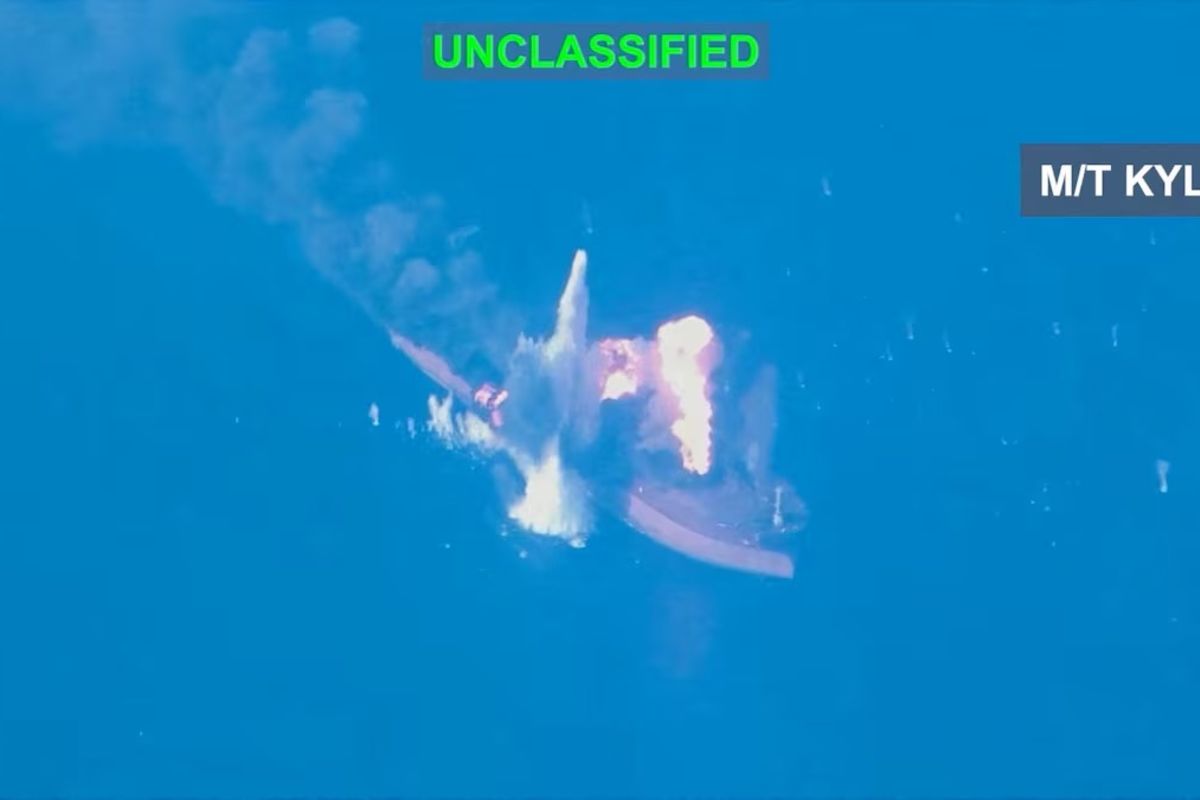
US Central Command said it struck three Iranian oil carriers, including one off Kharg Island, after Iran’s Islamic Revolutionary Guard Corps fired ballistic missiles at two US Navy ships. Iran said it targeted three tankers in the Strait of Hormuz and threatened vessels using what it calls unauthorised waterways. CENTCOM said no US personnel were injured; Iran’s Tasnim news agency reported a tanker near Kharg was hit by four US missiles and its crew was being evacuated. The Citizen Tanzania
Why it matters
The exchange adds risk around Kharg, which handled 90% of Iran’s crude exports before the war, while a US blockade on Iranian exports has been in place since mid-April. It does not establish a broad closure of the Strait of Hormuz or independently verify vessel damage, but further disruption could constrain Iranian crude movements. The Citizen Tanzania
How the effects could spread
Strikes and security risk near Kharg could restrict loading or transit for Iranian exporters. If threats or further incidents cause tanker operators to delay or alter voyages, energy buyers may seek replacement barrels and shipping capacity. That pressure would be limited if alternative arrangements maintain flows or other producers and inventories offset lost Iranian supply.
Impact assessment
- Iranian oil exporters face immediate constraints on crude movement through Kharg from the reported carrier strikes and existing blockade.
- Commercial tanker operators face heightened route and transit risk over coming days because of Iran’s warning.
- Energy buyers could face tighter seaborne supply over weeks if reduced Iranian flows are not replaced elsewhere.
Scenarios
Our outlook (informed speculation):
Most likely
If the exchange remains confined to the reported strikes and threats, tanker operators and oil buyers will likely make cautious routing and procurement adjustments over coming weeks, without a confirmed broad shutdown of the Strait of Hormuz. This is the baseline because the reported incidents are vessel-specific. Further isolated warnings or attacks would reinforce it; restored Iranian export movement would weaken it.
Upside
If Tehran and Washington avoid further strikes on carriers or military vessels, the June interim agreement’s aim of ending the war could regain practical force. Tanker operations near Kharg could become more predictable, reducing contingency procurement. No further carrier strikes and fewer threats to tanker traffic would support that path.
Downside
If Iran attacks additional vessels or the United States broadens action against Kharg-related oil shipping, more operators could avoid or delay transit near Iran. That could further restrict Iranian crude movements and lead buyers to seek alternative barrels and shipping arrangements. Additional tanker attacks, evacuations or declining flows through Kharg would support this outcome.
What to watch next
- Confirmed tanker strikes, attacks or evacuations near Kharg or in the Strait of Hormuz.
- Changes in Iranian crude movement through Kharg.
- Further Trump administration sanctions or military action involving Iranian oil exports or Kharg.
Comments
No comments yet.