What changed
Tobias Rausch of the far-right Alternative for Germany (AfD) was elected speaker of Saxony-Anhalt’s regional parliament on 6 October 2026. He won with support from nine MPs outside the AfD, including five from the hard-left BSW, making this the first time since World War Two that a far-right party has secured a German parliamentary speakership.
Why it matters
Rausch’s job is largely symbolic, but not powerless. He will chair debates, control access to the parliament building and represent the legislature at official events. The AfD has also argued successfully that it should move from the chamber’s right fringe to the centre.
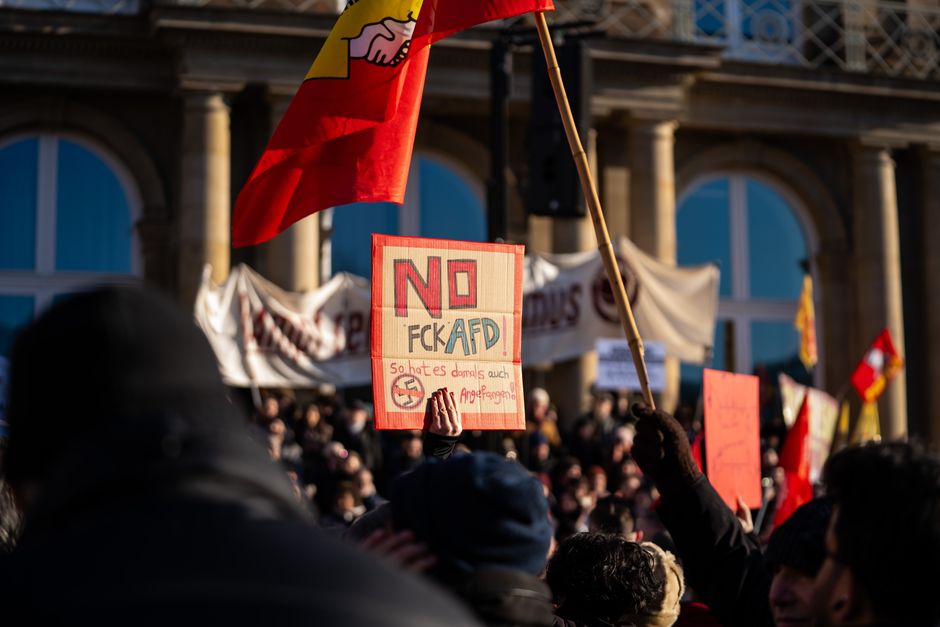
That changes the visual and procedural language of the parliament. A party classified as right-wing extremist by Saxony-Anhalt’s domestic intelligence service now holds the chair of the institution, while more than 300 protesters gathered outside to object.
The vote also exposes a practical problem for the parties that have tried to keep the AfD behind a political firewall. Five BSW MPs backed Rausch even though BSW says it will not form a coalition with the AfD. The identities of four other supporters are unconfirmed, and it is not established whether CDU MPs were among them.
The larger test comes in December. AfD state leader Ulrich Siegmund is seeking to become premier but needs 42 votes in the 83-seat legislature. BSW says it will instead support a non-partisan candidate and abstain, so Rausch’s election does not show that the AfD can govern Saxony-Anhalt. It does show that other parties’ votes can put its representatives in positions of institutional authority.
Comments
No comments yet.