What changed
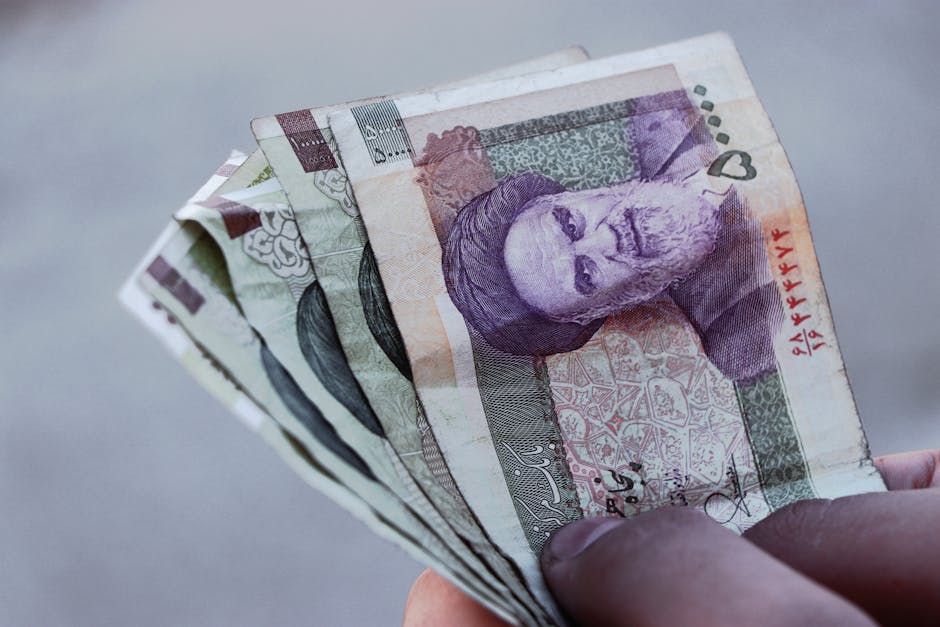
The Trump administration has unveiled Task Force Iron Gate, a naval blockade and economic-isolation plan intended to pressure Iran after direct military force failed to achieve its objectives. President Donald Trump said on November 8 that “very little gets into or out of Iran,” while the reported war enters its ninth month.
Why it matters
This shifts the pressure campaign from missiles and battlefield force to the channels that keep an economy moving: shipping, oil sales, foreign companies, commodities and access to money. The intended target is Iran’s government, but the machinery of the plan reaches far beyond Tehran, especially toward the Iranian oil sector and foreign shipping and oil companies.
There is a clear historical echo. After Iran nationalized the British-controlled Anglo-Iranian Oil Company in 1951, the United Kingdom blocked oil exports, froze Iranian assets, restricted commodities such as sugar and steel, and persuaded most U.S. and European oil companies not to send replacement personnel. Iranian petroleum production reportedly fell about 96 percent between 1950 and 1952, while oil income approached zero.
That precedent explains the attraction of economic coercion. It also sets a demanding test for the current plan: whether Iran can be isolated in practice, rather than merely threatened in public. The blockade’s present scope, duration, enforcement and economic effect remain unclear, so its consequences will depend on how tightly foreign shipping and companies comply.
Comments
No comments yet.