What changed
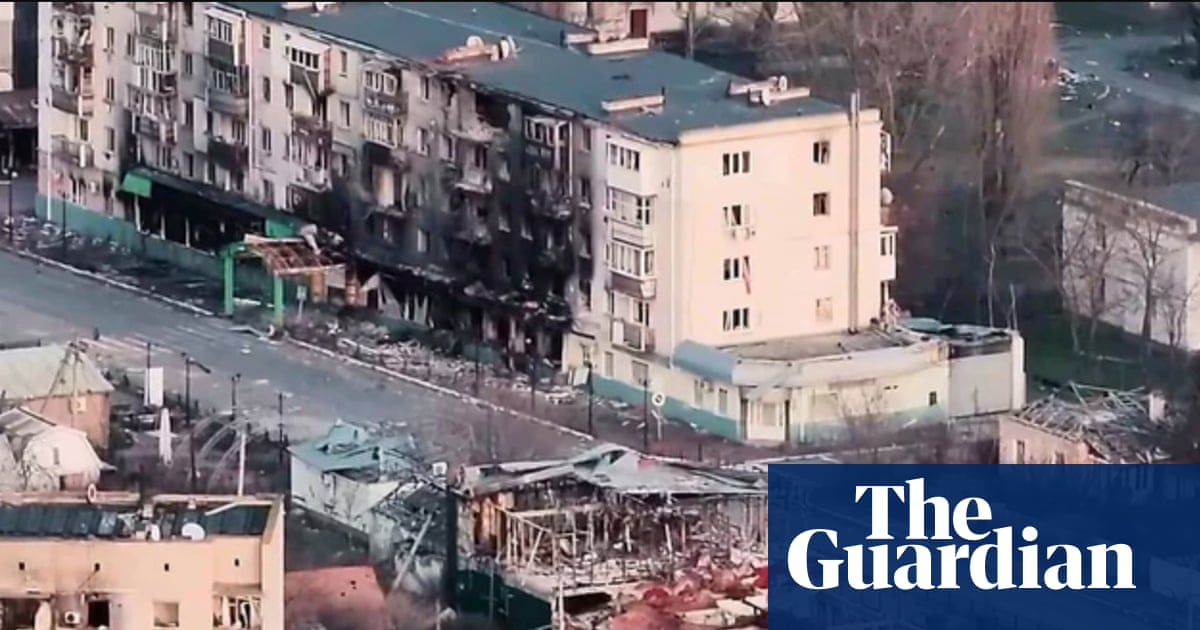
Approximately 2,000 civilians, including 50 children, remain in Russian-occupied Oleshky and its surrounding villages, where food supplies have entirely halted since May. Ukrainian military authorities in Kherson executed a large-scale drone airdrop this weekend, delivering about four tonnes of food, water, and medical supplies to 100 distribution points. This aerial operation followed a Russian rejection of a ceasefire aimed at facilitating ground-based civilian evacuation.
Why it matters
The immediate consequence is a shift from restricted access to active starvation. Since May, expanding Russian minefields and drone cover have blocked ground convoys, while a concurrent Ukrainian drone campaign against Russian supply lines has created resource shortages for occupying troops, who are reportedly stealing the limited food saved by civilians. Residents describe eating purslane weeds and courgette grown in former flower boxes, with one woman reporting a weight drop from 110kg to 67kg due to a lack of protein. This creates a direct operational exposure for the Ukrainian military, which must now sustain high-risk logistics for airdrops that are partially intercepted, alongside a diplomatic pressure campaign by Ukrainian Foreign Minister Andrii Sybiha at the UN General Assembly.
If international diplomatic pressure fails to force a humanitarian pause, the situation will likely persist as a cycle of drone drops and interception, leaving civilians to survive on foraged vegetation. Conversely, if a negotiated ground corridor is established, it would allow for mass evacuation and an end to the reliance on aerial resupply. The critical uncertainty is the exact proportion of the airdropped supplies that Russian forces intercept, as well as the specific attribution of the September 1 attack on a food convoy, which both sides blame on each other. The most likely outcome for the next six to twelve months is continued civilian survival dependent on partial aerial deliveries, provided that no ceasefire is reached.
What to watch next
The primary indicator of whether this blockade is softening or hardening is the number of airdrops that successfully reach civilian distribution points versus those intercepted by Russian forces, with official Ukrainian military reports serving as the confirmation signal in the coming weeks. A secondary watch signal is the trajectory of international diplomatic actions targeting Russian military supply lines, where new sanctions or UN resolutions would indicate a shift from verbal condemnation to structural pressure.
Comments
No comments yet.