What changed
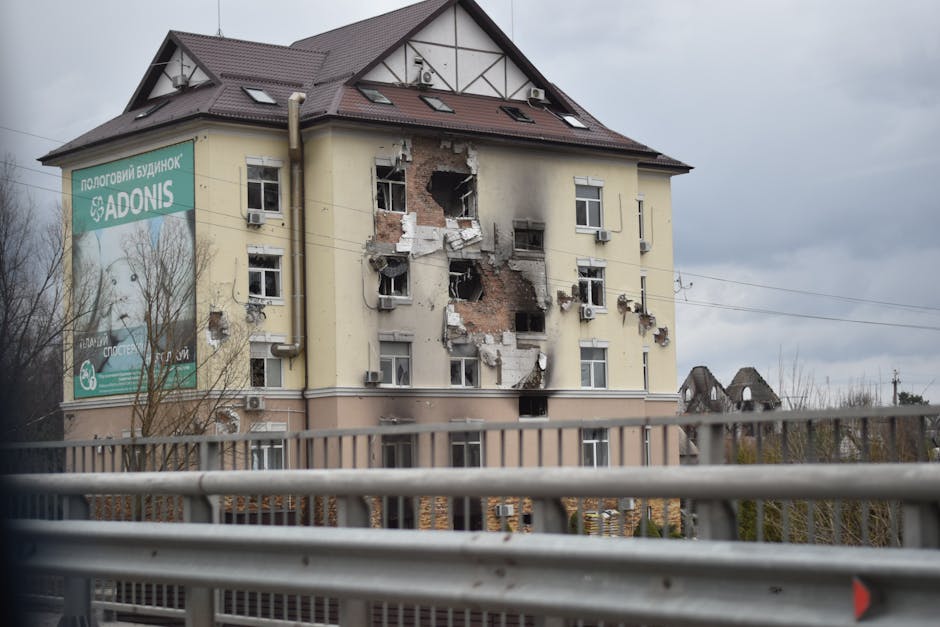
Overnight Russian attacks hit Ukraine’s energy infrastructure with more than 30 ballistic missiles and over 170 drones, damaging substations and causing blackouts and temporary water disruptions across 12 regions.
Kyiv was hit hardest. Nine people, including one child, were reported hurt. Power cuts were reported in five regions, while damage was recorded at substations linking the Rivne and Khmelnytsky nuclear plants to Kyiv and central Ukraine.
Why it matters
This was not only a Kyiv outage. Damage to those connections can complicate the flow of electricity between major generating sites and the country’s political and population centre. The full effect on the wider network is still unclear, as are the number of homes affected and how long outages will last.
The timing makes the strikes harder to separate from diplomacy. Ukrainian and Russian delegations are due to join trilateral talks in Abu Dhabi next week, after a recent six-day ceasefire in the Russian-occupied town of Oleshky and a call from Melania Trump for a more lasting truce.
For residents, the immediate problem is brutally practical: temperatures are falling and some areas have already seen their first snow. Kyiv’s water system has returned to normal, and about 60% of apartment buildings were connected to heating, according to Mayor Vitali Klitschko. That leaves a large share of the capital’s apartments still waiting for warmth while repairs continue.
Comments
No comments yet.