What changed
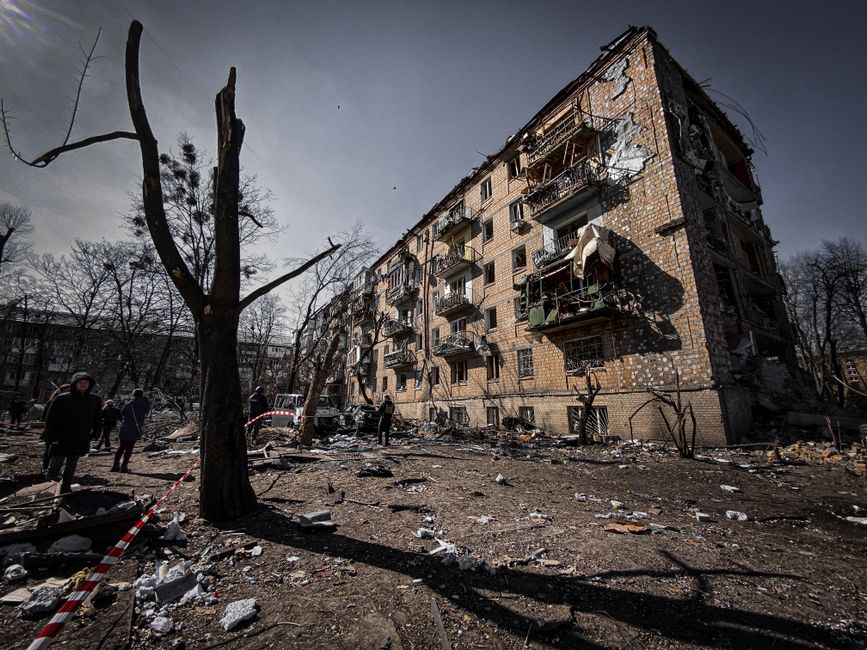
At least 26 people were killed on 2 November after Ukrainian officials said Russian bombs struck a school in Komyshuvakha, Zaporizhzhia, being used to distribute humanitarian aid. Five people were injured, 27 were initially reported missing and at least nine 3,000kg aerial bombs were reported.
The death toll rose from an initial estimate of 18 to 24 confirmed by Ukraine’s emergency service, then to 26 according to President Volodymyr Zelensky. Rescue teams were still searching the rubble, sometimes stopping because of further drone attacks.
Why it matters
This was a place where residents came to receive weekly aid. Its destruction turned a basic lifeline into a mass-casualty scene, while the people sent to help were also among those killed: Ukraine’s emergency service said two rescuers and four police officers had died.
Zaporizhzhia has declared a day of mourning. The reported second strike on the sheltering site, and Russia’s responsibility for the attack, remain unindependently established in the account. Russia has not publicly commented.
The timing matters beyond the crater. Ukraine, Russia and the United States are expected to resume peace talks in Abu Dhabi in the next few days, after negotiations were suspended in February. Zelensky said the attack sent the opposite signal from a recent evacuation operation during a temporary ceasefire: not that peace is possible, but that further killings are still being pursued. Whether the bombing changes the talks is unknown, but it leaves diplomacy confronting a fresh death toll before the negotiators return to the table.
Comments
No comments yet.